
The Most Expensive Show on Television Returns
The Lord of the Rings: The Rings of Power is not just a television series — it is arguably the most ambitious streaming production ever undertaken. When Prime Video acquired the rights to J.R.R. Tolkien's Second Age mythology, the deal itself was reported to cost approximately $250 million, with the overall budget for the first season alone estimated at over $460 million according to multiple industry reports. That staggering financial commitment set expectations sky-high and made every production decision a matter of global scrutiny.
With Prime Video officially unveiling the full episode release schedule for Season 3, the long-anticipated return to Middle-earth is no longer just a rumor or a hope — it is a confirmed reality with specific dates attached. For fans who endured a two-year wait between the second and third seasons, the schedule announcement delivers the clarity they have been seeking.
A Two-Year Hiatus Explained
The gap between Rings of Power seasons is not unusual by the standards of prestige television, but it is worth understanding why productions of this scale require extended lead times. Unlike conventional network drama, which might turn around a season in eight to ten months, a show like Rings of Power involves months of pre-production planning, intricate world-building logistics, digital effects pipelines that require years of work, and coordinating hundreds of cast and crew members across multiple international locations.
For context, Game of Thrones — the series that redefined prestige fantasy television — routinely took twelve to twenty months between its later seasons. The Rings of Power operates on a similarly epic production scale, which means two-year gaps between seasons, while frustrating for audiences, are structurally built into the nature of what the show is attempting to achieve.
The series, set thousands of years before the events of The Hobbit and The Lord of the Rings film trilogy, draws from Tolkien's appendices and covers the forging of the legendary Rings of Power themselves — a storyline that demands both narrative patience and visual grandeur in equal measure.
What the Release Schedule Signals
Prime Video's decision to release the full episode schedule — rather than simply announcing a premiere date — reflects a deliberate streaming strategy that has become more common as platforms compete for viewer loyalty. By giving audiences the complete roadmap upfront, the platform encourages appointment viewing, reduces subscriber churn, and builds sustained conversation around each episode drop.
This approach mirrors what HBO has done successfully with its own fantasy tentpoles. A fully revealed schedule transforms a series from a single event into a multi-week cultural conversation, which translates directly into sustained press coverage, social media engagement, and ultimately subscriber retention metrics.
For Prime Video specifically, Rings of Power remains one of its most high-profile original series and a central pillar of its strategy to compete with Netflix and Disney+ in the prestige drama space. The stakes for Season 3 are significant — not just creatively, but commercially.
The Story So Far: Building Toward the Rings
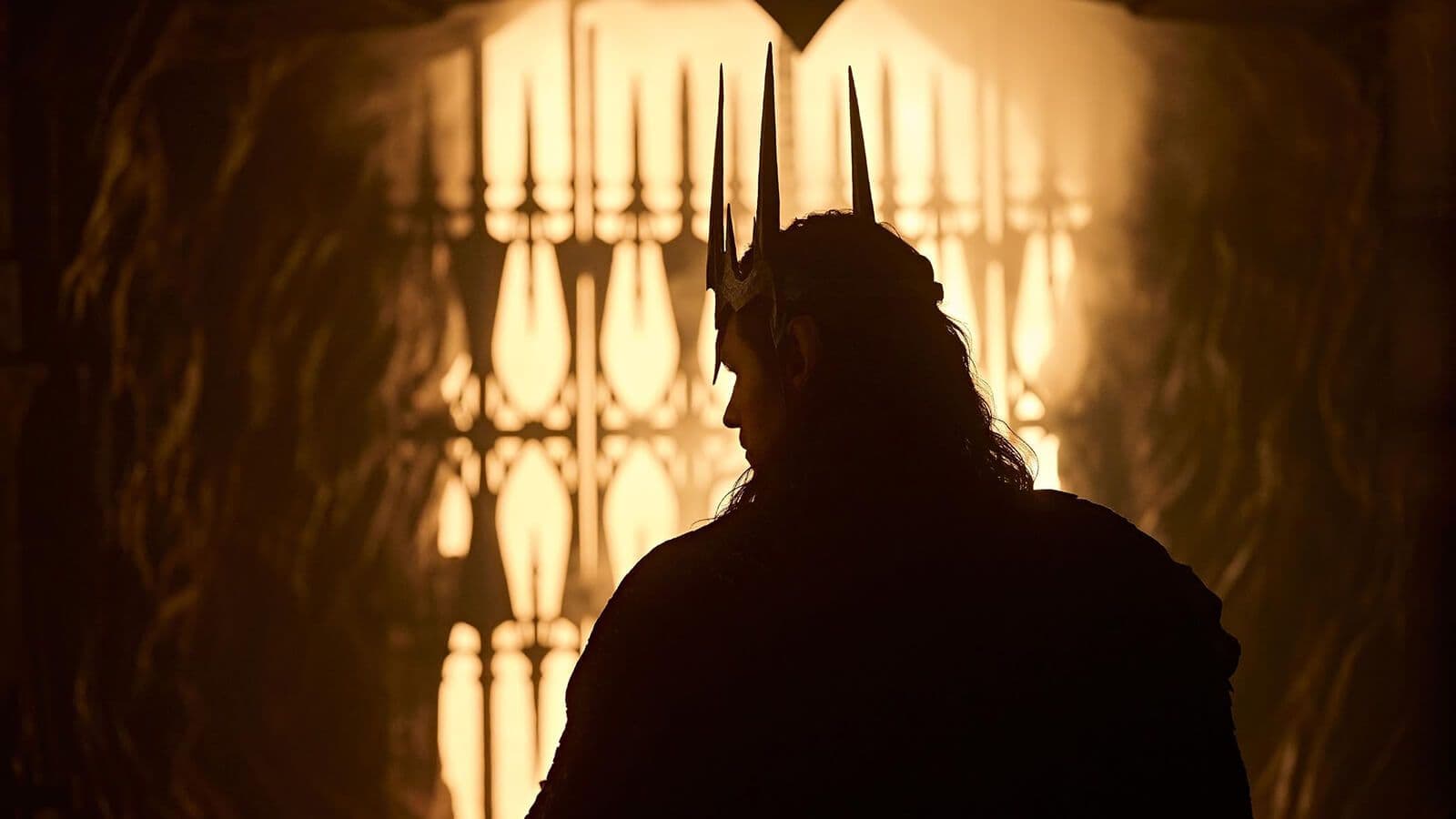
Viewers arriving at Season 3 without having watched the earlier episodes should understand the narrative scope of what the series is building toward. Seasons one and two established the political and mythological landscape of Middle-earth's Second Age, introducing characters such as the Elven smith Celebrimbor, the Dark Lord Sauron in his various disguises, and the Númenórean queen Míriel — figures whose stories are hurtling toward the creation of the One Ring and the catastrophic fall of Númenor.
The series draws heavily from Tolkien's appendices to The Return of the King, as the Tolkien Estate granted adaptation rights only to those materials rather than to The Silmarillion. This creative constraint has actually shaped the show's storytelling in interesting ways, requiring the writers to build connective tissue between canonical events while honoring the spirit of Tolkien's mythology.
By Season 3, the narrative should be reaching some of its most consequential moments — the kind of dramatic payoffs that justify the years of world-building investment the series has made.
Why This Matters Beyond Middle-Earth
The release of a Rings of Power episode schedule may seem like a niche entertainment story, but it carries broader industry significance worth noting. The series represents a defining test case for whether streaming platforms can sustain long-form, multi-season investment in properties that require years and billions of dollars to fully realize.
Unlike film franchises that can course-correct quickly based on box office returns, serialized streaming epics are long bets. A platform commits to a creative vision before audiences have rendered their verdict, and adjustments mid-stream are enormously costly. The fact that Prime Video has not only renewed Rings of Power for multiple seasons but is now releasing Season 3 suggests the platform's internal metrics — which include subscriber acquisition, watch-time data, and global audience reach — have validated the investment.
For the broader streaming industry, this matters because it signals that deep-pocketed platforms are still willing to back slow-burn prestige fantasy despite the increasingly competitive environment and growing pressure on streaming economics.
What Fans Should Watch For
Beyond the excitement of new episodes, Season 3 arrives with several compelling questions that have been circulating in fan communities since Season 2 concluded. How will the show handle the acceleration toward Sauron's full reveal? How will the Númenórean storyline intersect with the Elvish and Dwarven threads? And perhaps most intriguingly, how will the showrunners — J.D. Payne and Patrick McKay — balance faithfulness to Tolkien's mythology with the demands of modern prestige television narrative structure?
These are the questions that will define Season 3's critical reception, and they are questions the episode schedule now gives fans a structured timeline to look forward to answering.
One thing is clear: in the current streaming landscape, few series carry more cultural weight — or more financial risk — than The Lord of the Rings: The Rings of Power. Season 3 is not simply the next chapter. For Prime Video, it may be one of the most important chapters in the platform's entire history.