
One of Science Fiction's Great White Whales Finally Gets Its Screen Moment
For anyone who has followed the long, complicated history of Hollywood's relationship with William Gibson's Neuromancer, the arrival of Apple TV+'s adaptation feels like a moment four decades in the making. Gibson's 1984 debut novel didn't just launch a career — it effectively invented the aesthetic language of cyberpunk and introduced the word "cyberspace" to mainstream culture. The fact that it has taken this long to produce a serious, high-profile screen adaptation says everything about both the novel's complexity and the ambition required to do it justice.
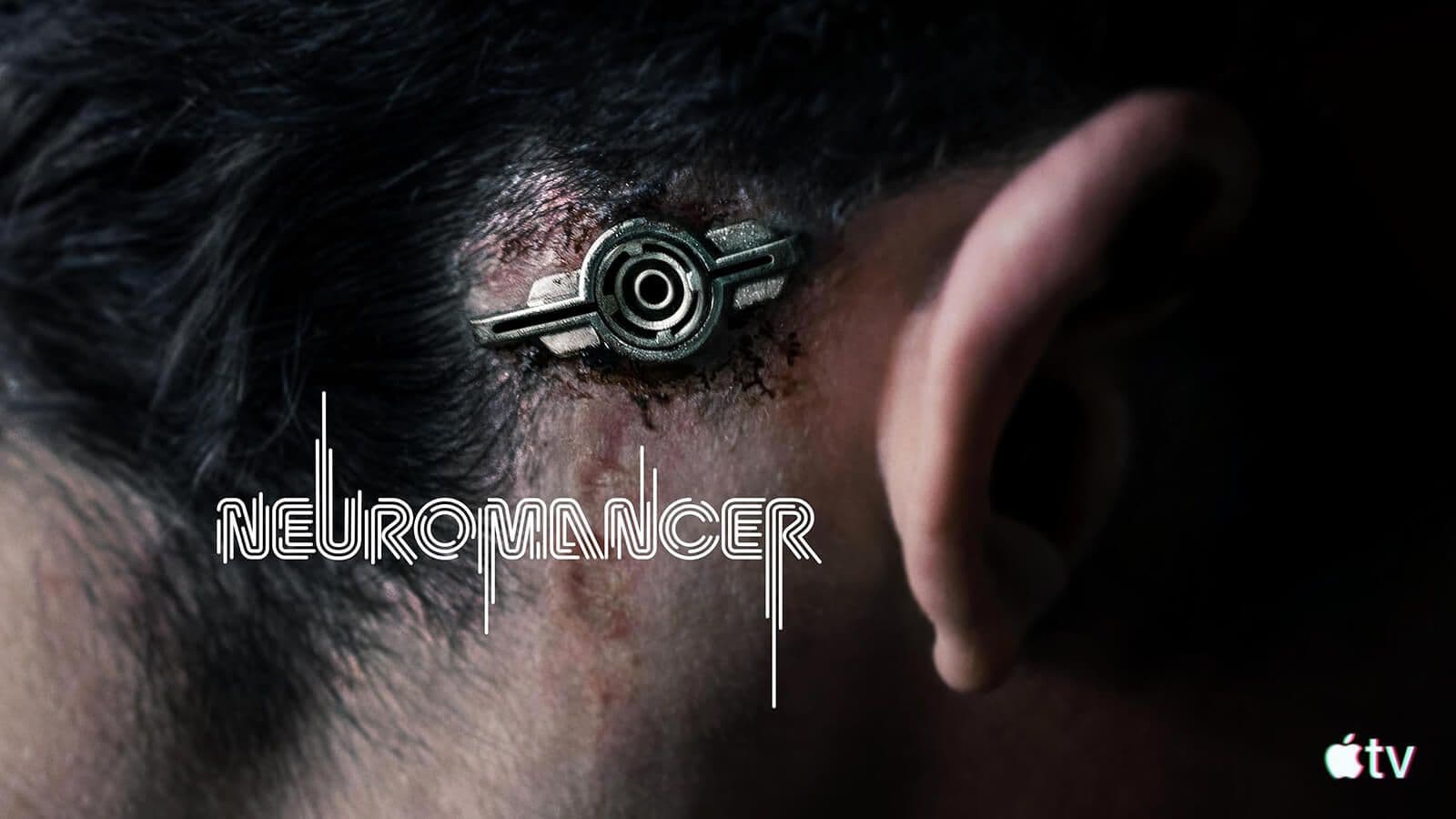
The Apple TV+ series stars Callum Turner in the central role of Case, a down-and-out console cowboy — a hacker-for-hire in Gibson's terminology — who operates in the shadowy margins of a future where human consciousness and digital networks are dangerously intertwined. With a first-look teaser now available, audiences are getting their first real sense of how the creative team has chosen to visualize one of fiction's most vividly imagined worlds.
Why Neuromancer Matters Beyond the Hype
To understand why this adaptation carries genuine cultural weight, it helps to appreciate what Gibson's novel actually accomplished. Published in 1984 by Ace Books, Neuromancer won the Hugo Award, the Nebula Award, and the Philip K. Dick Award — a trifecta no other debut novel had achieved before it. It sold millions of copies and directly influenced everything from The Matrix trilogy to Ghost in the Shell to Blade Runner 2049. Directors, screenwriters, and game designers have been borrowing from its visual and conceptual vocabulary for over forty years.
Gibson's vision of a sprawling, corporate-dominated future — where data is a physical space criminals can "jack into" and artificial intelligence operates with terrifying autonomy — has proven startlingly prescient. In an era defined by real anxieties about AI, surveillance capitalism, and the blurring line between digital and physical identity, Neuromancer reads less like science fiction and more like accelerated journalism.
For a streaming platform like Apple TV+, which has built its prestige drama slate on ambitious, visually distinctive projects such as Severance and Foundation, landing Neuromancer represents both a creative statement and a competitive play for the sci-fi audience that rival platforms have aggressively courted.
The Creative Team Behind the Adaptation
The choice of Graham Roland and JD Dillard as the series' creative architects is a deliberate one. Roland made his mark with Dark Winds, the AMC crime drama praised for its atmospheric authenticity and layered storytelling. Dillard, who directs the pilot, brings a sharp genre sensibility honed through projects like The Twilight Zone revival. Together, they represent a blend of character-driven drama and genre craft that the material demands.
Adapting Neuromancer is not simply a matter of translating plot to screen. Gibson's prose is famously dense, impressionistic, and allusive — it builds a world through implication rather than exposition. The challenge for any filmmaker is to find visual equivalents for language that is itself deeply cinematic in texture but resistant to literal interpretation. Early indications suggest the production has leaned into a grimy, tactile aesthetic that honors Gibson's original vision of the future as a place of beauty and decay in equal measure.
Callum Turner and the Weight of an Iconic Role
Casting is always the first battlefield for any major adaptation, and Callum Turner is a choice that signals serious dramatic intent. The British actor built a loyal following through his work in The Witcher prequel series Blood Origin and the acclaimed HBO drama Masters of the Air, where he demonstrated the ability to carry large-scale productions with quiet intensity. Playing Case requires an actor who can convey both technical brilliance and moral exhaustion — a character who is at once the most capable person in the room and the most comprehensively damaged.
Turner's casting continues a broader pattern in prestige streaming: the elevation of accomplished but not overly familiar faces into flagship roles, preserving the sense that audiences are meeting a character rather than watching a celebrity. It is the same logic that drove casting decisions on shows like Severance and The Last of Us, both of which benefited from leads who brought craft without overwhelming star baggage.
Apple TV+ and the Prestige Sci-Fi Arms Race
The streaming landscape in 2026 is defined by a fierce competition for prestige genre content. Netflix has invested heavily in space opera and dystopian drama. Amazon Prime Video continues to pour resources into its Lord of the Rings and Fallout universes. Disney+ controls the Marvel and Star Wars pipelines. Against this backdrop, Apple TV+ has carved out a distinctive niche by backing projects that prioritize tonal coherence and visual ambition over franchise familiarity.
Neuromancer fits that strategy perfectly. It arrives with built-in literary prestige and a fan base that has waited decades for a worthy adaptation, but it is not a sequel, a reboot, or an extension of an existing cinematic universe. It asks audiences to encounter something genuinely new — or rather, to finally encounter something that has been waiting in the wings of popular culture since the Reagan administration.
Why This Matters for the Industry
The adaptation of Neuromancer is significant beyond its own merits because it represents a broader shift in how streaming platforms are approaching source material. Rather than mining existing IP for the comfort of built-in audiences, the most ambitious projects are now reaching toward foundational texts — works that shaped an entire genre's DNA but were previously considered too difficult or too expensive to adapt faithfully.
If Neuromancer succeeds, it validates the argument that audiences are ready for challenging, idea-dense science fiction that doesn't soften its edges or over-explain its world. It could open the door for other long-stalled adaptations of complex literary sci-fi. If it struggles, it will be cited as evidence that some books are better left on the page.
The teaser suggests that Apple and its creative partners are betting heavily on the former. The cyberpunk genre has never been more culturally relevant, the technology it warned us about has never felt more immediate, and the story at the center of it all has never needed telling more urgently. Whether the series delivers on that promise remains to be seen — but the ambition is unmistakable.