
A Return to the Stage With Renewed Purpose
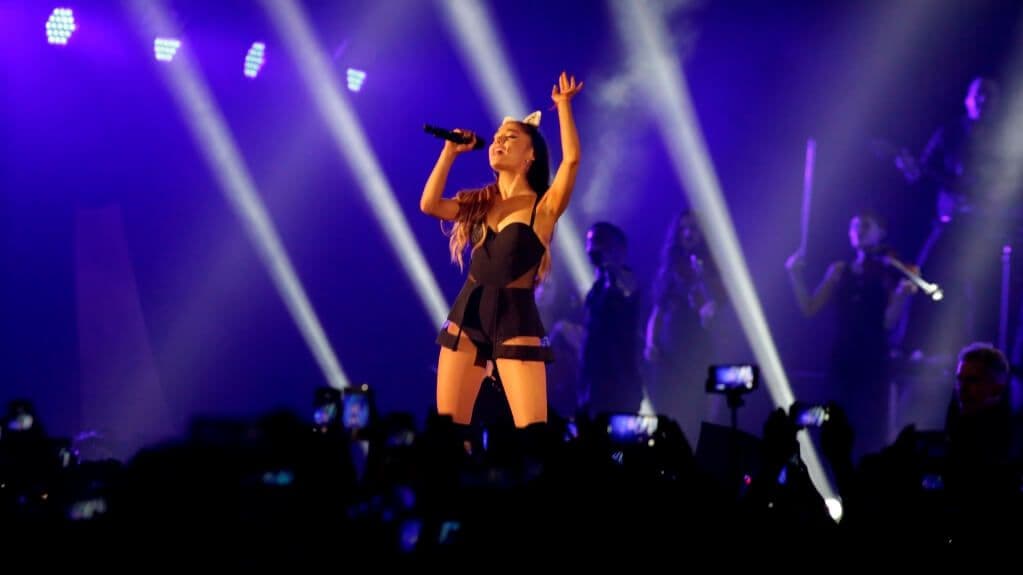
After months away from full-scale touring and following the creative release of 'Petal,' superstar Ariana Grande embarked on the Eternal Sunshine Tour with a notably different approach to her live performances. Her multi-night stand in Chicago marked more than just a return to concert halls—it represented a deliberate shift in how she connects with audiences and presents her artistry on stage.
The decision to step back before launching this tour cycle reflects a growing trend among major recording artists who prioritize creative and personal renewal over continuous touring schedules. Grande's break allowed her to reassess her relationship with performance, audience engagement, and the demands of maintaining a global touring operation.
Live Debuts Signaled Artistic Confidence
The Chicago dates introduced fans to previously unheard arrangements and live renditions of material that represented her most recent creative chapter. Rather than recycling setlists from past tours, Grande made deliberate choices about which songs would receive stage treatment and how they would be reimagined for live settings.
This approach contrasts with touring models where artists typically rely on familiar arrangements that have been tested repeatedly across multiple venues. By incorporating live debuts, Grande signaled artistic confidence in her newer material and a willingness to take creative risks during performances. Industry observers note that established artists often introduce new material strategically to gauge audience response and build anticipation for future releases.
Direct Communication With Audiences
One of the most significant changes in Grande's performance approach involved increased transparency between artist and audience. Rather than maintaining the traditional performer-spectator distance, she created space for what she described as "clearing the air"—direct conversation about her creative process, personal experiences, and artistic decisions.
This shift toward vulnerability and open dialogue reflects broader changes in how contemporary musicians engage with fans. The traditional concert format, where artists perform without substantial between-song interaction, has evolved considerably. Modern audiences increasingly expect and appreciate artists who share context about their work and personal journeys during live performances.
The Broader Context of Artist Breaks
Grande's announced hiatus before the Eternal Sunshine Tour exists within a larger industry pattern. Over the past decade, successful touring artists have become more selective about release schedules and tour timelines, often building in substantial breaks between cycles. This contrasts sharply with earlier touring models, when artists would move rapidly from one tour to the next.
According to industry reporting, artists who implement strategic breaks often report improved creative output, better physical health, and stronger emotional connection to their work upon return. The music industry has gradually acknowledged that sustainable touring requires genuine rest periods, not just the illusion of downtime between engagements.
Production and Staging Innovations
The Chicago performances reflected contemporary concert production standards, incorporating technological advances and visual storytelling elements that Grande's previous tours had established. However, the integration of newer material with refined production choices suggested intentional curation rather than simply adding new content to existing frameworks.
Live concert production has become increasingly sophisticated, with artists and their creative teams using tours as opportunities to test visual concepts that may eventually appear in music videos or other media. The Eternal Sunshine Tour's production approach aligned with this broader trend of using live performance as a creative laboratory.
Why This Matters
The evolution visible in Grande's approach to touring reflects significant shifts in how major recording artists manage their careers and creative lives. The music industry has historically operated on a relentless touring schedule, with artists expected to maintain constant visibility and generate revenue through live performances. Grande's decision to incorporate a meaningful break before resuming touring suggests a maturing perspective on sustainable artistry.
For emerging and established artists alike, Grande's model demonstrates that taking time away from touring can enhance rather than diminish fan connection. Audiences appear increasingly receptive to artists who return from breaks with renewed energy and transparent communication about their creative evolution.
The integration of live debuts, direct audience communication, and reimagined arrangements during the Eternal Sunshine Tour suggests that contemporary concert experiences are becoming more than repetitions of recorded material—they're becoming platforms for authentic artistic expression and audience connection. This evolution has implications for how tours are designed, marketed, and experienced across the music industry.
Looking Forward
The changes Grande introduced during the Chicago run will likely influence how subsequent tour dates unfold, providing a template that fans at later venues can anticipate. The approach also demonstrates to other major artists that audiences respond positively to tours that feel purposeful and considered rather than obligatory continuation of touring cycles.
As the music industry continues evolving in response to changing artist needs and audience expectations, tours like the Eternal Sunshine Tour offer instructive examples of how performers can maintain creative relevance while prioritizing personal well-being. Grande's willingness to openly discuss her creative process during performances adds another layer to the concert experience, transforming it from passive entertainment into more active, participatory engagement between artist and audience.