
The End of an Era — and the Start of Another
For nearly a decade, Stranger Things has been the crown jewel of Netflix's original programming. It turned a group of unknown child actors into global superstars, revived 1980s nostalgia into a full-blown cultural movement, and gave streaming television some of its most iconic moments. But every era eventually gives way to the next — and in the summer of 2026, that transition has arrived in a very concrete way.
Netflix has confirmed that Stranger Things is moving forward with a recast, replacing at least one key member of the original ensemble. It's a decision that sends shockwaves through the fanbase but also signals something the creative team has been quietly building toward: a version of Stranger Things that can outlive its original cast and continue evolving beyond the story arcs audiences fell in love with.
This isn't the end of Hawkins. It's just the end of Hawkins as we knew it.
Who's Being Recast — and Why It Matters
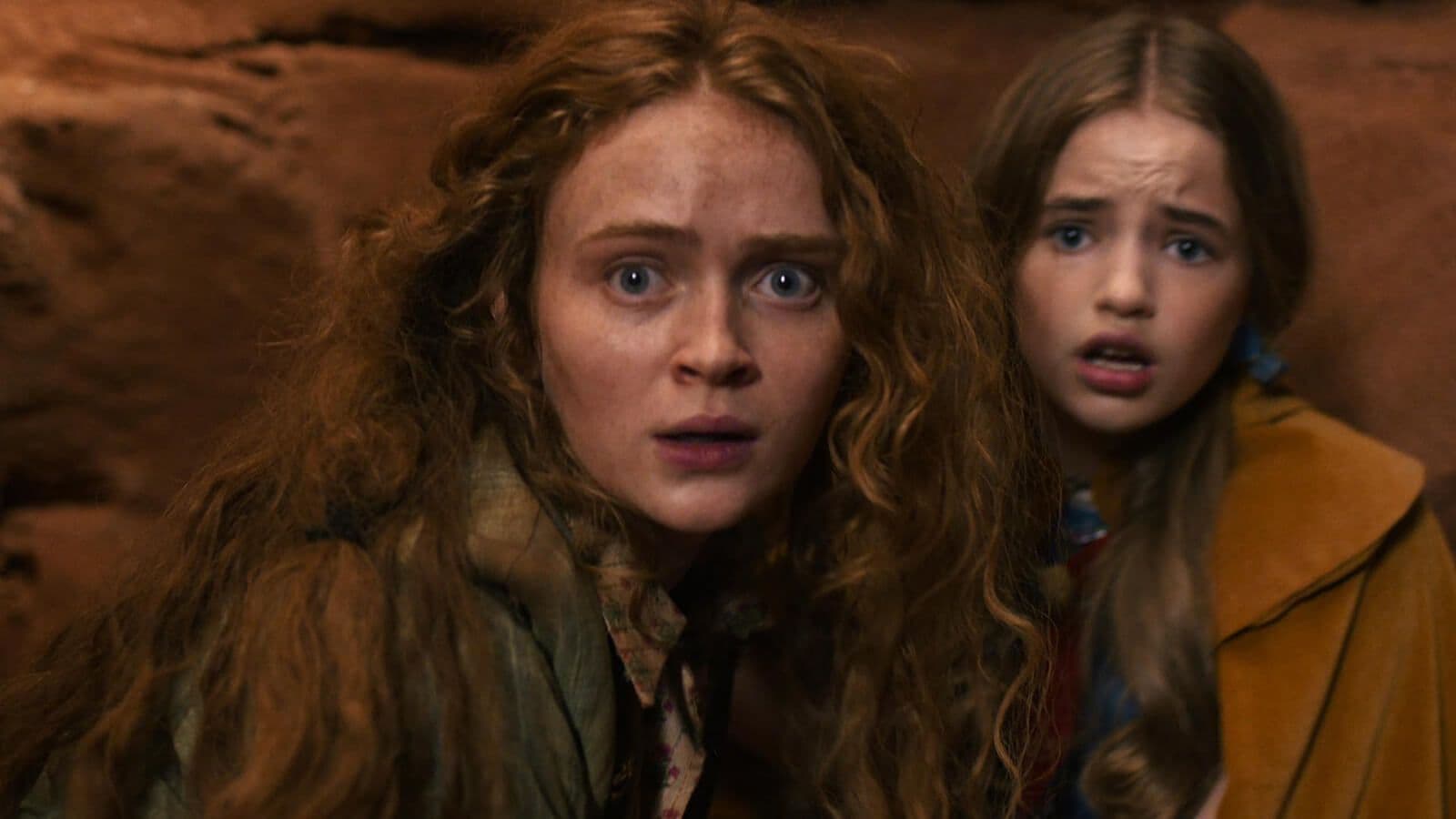
While full details surrounding the specifics of the recast are still emerging, the significance of the move cannot be understated. The original Stranger Things cast — Millie Bobby Brown, Finn Wolfhard, Gaten Matarazzo, Caleb McLaughlin, Noah Schnapp, Sadie Sink, and others — grew up on screen alongside their audience. That authenticity, that shared journey from childhood to adulthood, was a massive part of the show's emotional power.
When a show reaches the point where recasting becomes necessary, it's often due to a combination of scheduling conflicts, creative direction changes, salary negotiations, or the natural evolution of an actor's career pulling them toward other opportunities. In Hollywood, these decisions are rarely simple, and they're almost never made lightly — especially for a property as valuable as Stranger Things.
From a backstage perspective, sources within the production sphere suggest this transition has been in quiet development for some time. The Duffer Brothers, the showrunners who built the Stranger Things universe from the ground up, have always spoken about the franchise as a living, breathing world — one that doesn't necessarily end with one generation of characters. The recast may very well be the first tangible step toward that vision becoming reality.
The Challenge of Recasting a Cultural Phenomenon
Recasting beloved characters is one of the riskiest moves any long-running franchise can make, and the entertainment industry is littered with cautionary tales. Audiences form deep emotional attachments to the actors who bring iconic roles to life — not just the characters themselves. Separating the two is a delicate, often painful process.
That said, there are success stories. Long-running series like Doctor Who have built recasting directly into their mythology with extraordinary results. Franchise reboots in film — from James Bond to Spider-Man — have proven that new actors can breathe fresh life into beloved roles when the storytelling around them is strong enough.
For Stranger Things, the burden is particularly heavy because the show's emotional core has always been grounded in the specific, lived-in performances of its original cast. Millie Bobby Brown's portrayal of Eleven, for instance, wasn't just acting — it was an evolving portrait of a young person discovering her identity, power, and place in the world. Replicating that kind of resonance requires exceptional casting, exceptional writing, and a significant amount of audience patience.
The Duffer Brothers will need to thread an extraordinarily fine needle here.
What a New Cast Could Mean for the Upside Down's Future
Here's the flip side of the conversation that often gets lost in the noise of fan disappointment: a recast could genuinely open exciting new creative doors for Stranger Things.
The show has always had a rich mythology extending far beyond its central characters. The history of Hawkins, the origins of the Upside Down, the broader conspiracy networks surrounding Hawkins National Laboratory — these are threads the original run barely had time to pull on. A new generation of characters, introduced through a thoughtful recast or parallel storyline, could allow the writers to explore corners of the Stranger Things universe that were previously inaccessible.
There's also a generational storytelling opportunity here. One of the most powerful narrative devices in long-form television is the passage of time — watching how the consequences of one generation's choices ripple forward into the next. If handled correctly, the recast could serve as a meaningful bridge between the Stranger Things audiences grew up watching and a new chapter that carries the emotional weight of the original while charting genuinely new territory.
Netflix, for its part, has every financial incentive to keep the Stranger Things brand alive and evolving. The franchise has expanded into video games, merchandise, immersive experiences, and theatrical ventures. It's not just a TV show anymore — it's an ecosystem. A successful recast keeps that ecosystem thriving for years to come.
Fan Reaction: Grief, Curiosity, and Cautious Hope
Social media has, predictably, erupted with mixed emotions. Long-time fans have expressed grief over the change, mourning what feels like the closing of a deeply personal chapter. For many viewers, Stranger Things was more than entertainment — it was a coming-of-age experience they shared with the cast in real time, watching these kids navigate adolescence on screen while doing the same themselves off it.
But alongside the grief, there's a palpable current of curiosity. Who's coming in? What direction will the story take? Will the new cast honor what came before while bringing something genuinely fresh? These are the questions dominating fan forums, Reddit threads, and comment sections across the internet — and they're the right questions to be asking.
The very fact that people care this deeply is itself a testament to what Stranger Things built. Franchises that inspire this level of passionate investment don't disappear easily. They evolve.
The Bigger Picture for Netflix Originals
The Stranger Things recast also arrives at a pivotal moment for Netflix more broadly. The platform has been navigating a complex period of content strategy shifts, password-sharing crackdowns, and increasing competition from rival streaming services. Keeping flagship franchises healthy and headline-generating is more important than ever.
How Netflix and the Duffer Brothers handle this transition will likely serve as a case study for the streaming industry at large. Can prestige streaming series pull off the kind of long-form franchise storytelling that has historically been the domain of broadcast television and film? Stranger Things now has the chance to prove that they can.
Final Thoughts: Hawkins Lives On
Change is never easy — especially when it involves something audiences have held close for years. But the story of Stranger Things has always been, at its heart, about facing the unknown with courage and finding strength in unexpected places.
Perhaps that's the most fitting way to approach this new era: with the same open-hearted bravery the show has always celebrated. The Upside Down isn't done with us yet — and if the creative team gets this right, we may find ourselves just as captivated by what comes next as we were by what came before.
Stay tuned. Hawkins always has one more secret left to reveal.
Image courtesy of Netflix