
The Gangster Drama: A Genre That Refuses to Die
Few genres in television have proven as consistently magnetic as the gangster drama. At its core, the format offers something that audiences have craved since the earliest days of cinema: a window into a world operating entirely outside the rules the rest of us live by. Power, loyalty, betrayal, and consequence — these are the building blocks of every great mob story, and they translate to the small screen with remarkable staying power.
Peaky Blinders, the BBC crime drama that ran from 2013 to 2022, is rightly celebrated as one of the finest examples of the genre. Set in post-World War I Birmingham, England, it turned the story of the real-life Shelby crime family into a stylized, operatic masterpiece that attracted a global audience. At its peak, the show drew over 11 million viewers per episode in the UK alone, and its influence on fashion, music curation, and prestige television production design is still felt today.
But here's the truth that any serious television critic will tell you: Peaky Blinders, brilliant as it is, does not sit alone at the top of the gangster TV mountain.
Why the Gangster Genre Thrives on Television
The gangster story is uniquely suited to long-form television. Unlike film, which must compress criminal empires into two hours, a serialized drama can breathe. It can explore the internal politics of a crime organization, the domestic lives that exist in tension with street-level violence, and the slow moral erosion that comes with operating outside the law. The result, when done well, is character study at its most ambitious.
This is precisely why so many of the genre's greatest achievements live on television rather than in theaters. The medium rewards patience, and patience is exactly what complex criminal narratives require.
The Sopranos: The Benchmark That Launched an Era
Any honest conversation about gangster television begins and ends with The Sopranos. The HBO drama, which premiered in January 1999 and concluded in June 2007 after six acclaimed seasons, didn't just define the mob genre — it fundamentally changed what audiences and critics expected from television drama as a whole.
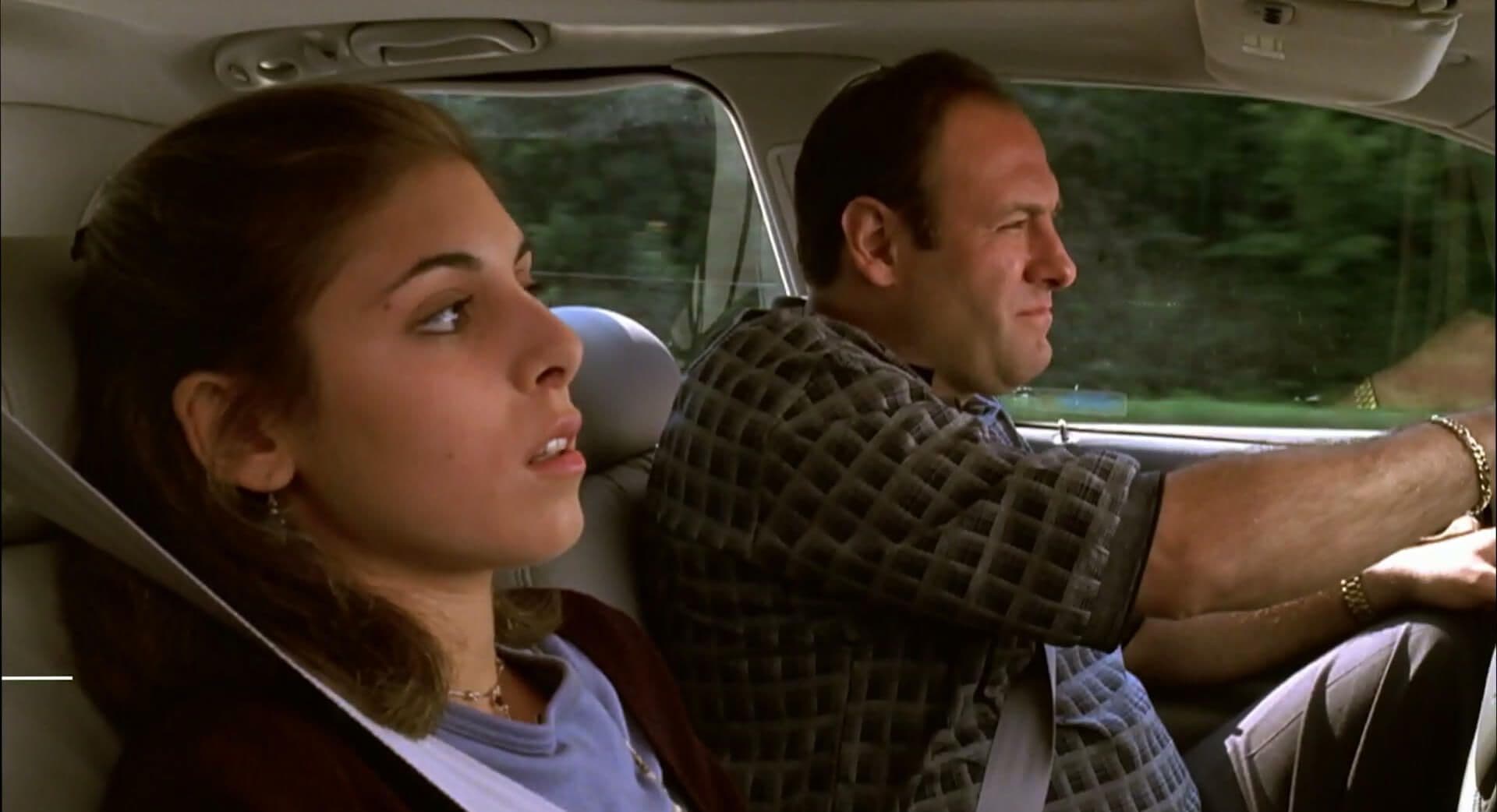
Created by David Chase, the series followed New Jersey mob boss Tony Soprano as he navigated the demands of running a criminal organization while also managing panic attacks and weekly therapy sessions with Dr. Melfi. It sounds almost satirical in summary, but the execution was deadly serious. The show won 21 Primetime Emmy Awards during its run, a record at the time, and is routinely cited by industry professionals as the single most influential drama series in the history of American television.
What Peaky Blinders accomplished visually and atmospherically in the 2010s, The Sopranos accomplished psychologically in the late 1990s and 2000s. The two shows aren't competing — they're complementary — but in terms of sheer cultural impact and narrative ambition, The Sopranos set a bar that remains one of the highest in the medium.
Boardwalk Empire: Prestige Crime at Its Most Cinematic
For viewers who love Peaky Blinders specifically for its period setting, lush cinematography, and morally complex antihero, Boardwalk Empire is essential viewing. The HBO series, which ran from 2010 to 2014, was set in Prohibition-era Atlantic City and produced by Martin Scorsese, who also directed the pilot episode.
The show starred Steve Buscemi as Enoch "Nucky" Thompson, a corrupt politician and bootlegger navigating alliances with real historical figures including Al Capone, Lucky Luciano, and Arnold Rothstein. Its production values were staggering — HBO reportedly spent $18 million on the pilot alone, constructing an elaborate recreation of 1920s Atlantic City on a New Jersey soundstage.
Boardwalk Empire shares Peaky Blinders' commitment to historical authenticity and its fascination with the intersection of legitimate power and organized crime. Fans of one show who haven't explored the other are leaving some of the best crime television ever made on the table.
The Wire: Crime Drama as Social Architecture
No list of superior gangster television is complete without The Wire. David Simon's HBO masterwork, which aired from 2002 to 2008, approached crime drama from an entirely different angle — less operatic than The Sopranos, less visually stylized than Peaky Blinders, but arguably more profound in its ambitions.
Set in Baltimore, Maryland, The Wire used the city's drug trade not merely as backdrop but as a lens through which to examine every institution that shapes urban American life: law enforcement, city government, public education, journalism, and the dockworkers' union. Each of its five seasons opened a new chapter of that examination without abandoning the characters and storylines established before.
In 2023, Rolling Stone ranked The Wire as the greatest television series of all time in its updated list of the 100 best TV shows, placing it above The Sopranos and every other drama in the medium's history. Whether you agree with that ranking or not, it reflects a critical consensus that has only deepened with time.
Gomorrah: Europe's Answer to The Sopranos
For audiences who appreciate Peaky Blinders partly because it offers a specifically European perspective on organized crime, the Italian series Gomorrah is a revelation. Based on Roberto Saviano's 2006 non-fiction book of the same name — itself a harrowing investigation into the Neapolitan Camorra crime organization — the television adaptation aired from 2014 to 2021 across five seasons on Sky Atlantic.
Gomorrah operates without the romantic mythology that sometimes softens American mob narratives. Its world is brutal, unglamorous, and deeply tragic. The show won widespread international acclaim and helped pave the way for European crime drama to find global streaming audiences, a trend that has continued to reshape the television industry.
Why This Matters: The Enduring Power of the Gangster Narrative
The continued interest in ranking and revisiting gangster television speaks to something deeper than nostalgia or genre preference. These shows collectively represent television's most sustained engagement with questions of power, identity, and moral compromise. They ask what people are willing to do to survive, to protect their families, and to feel a sense of control in a world that offers precious little of it.
Peaky Blinders deserves every bit of its reputation. But placing it in conversation with The Sopranos, The Wire, Boardwalk Empire, and Gomorrah doesn't diminish it — it elevates the entire conversation. The gangster drama is one of television's richest traditions, and the best of the genre forms a collective argument that crime storytelling, done with ambition and craft, is as serious and rewarding as any art form has to offer.
For viewers who haven't yet explored beyond the Shelby family's Birmingham, the road ahead is long, dark, and extraordinarily good.