

From Stage to Screen: Green Day's Unconventional Filmmaking Journey
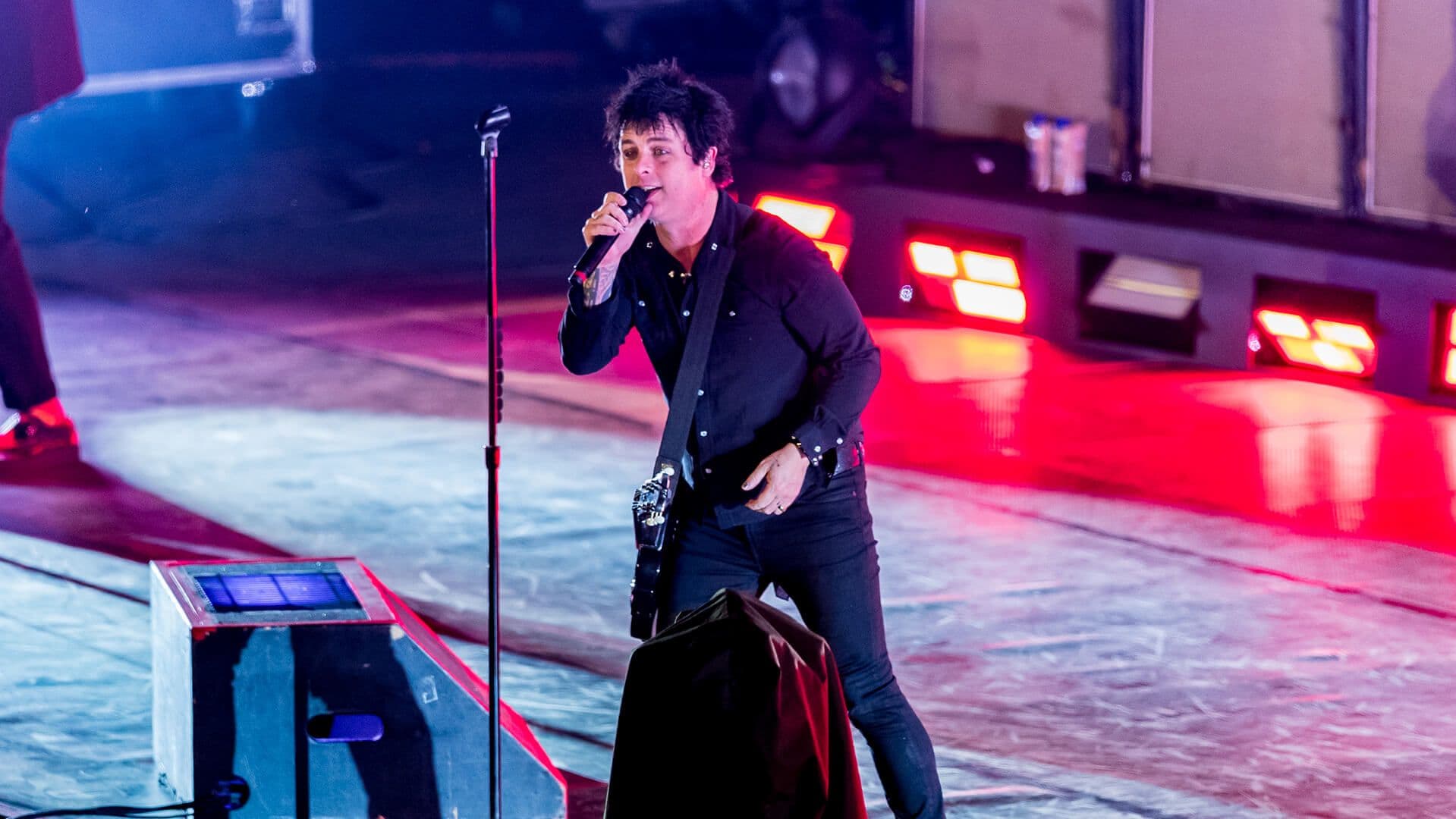
Green Day has spent over three decades perfecting the art of live performance, but with their new film Nimrods, the legendary punk band has taken a creative risk by stepping behind the camera. Rather than producing a traditional documentary or biopic, the band has crafted something more ambitious: a coming-of-age narrative that excavates their touring archives while constructing an entirely new fictional world around those authentic experiences.
The decision to blend fact with fiction reflects a growing trend in entertainment where musicians and artists seek greater creative control over their own narratives. According to industry patterns tracked by major entertainment publications, artist-driven film projects have increased by approximately 40% over the past five years, as musicians recognize the value of controlling how their stories are told on screen.
Billie Joe Armstrong, Mike Dirnt, and Tré Cool have collectively logged millions of miles on tour buses, performed on stages across every continent, and experienced the unique pressures that come with maintaining a band's creative and personal relationships over decades. Nimrods appears to channel these accumulated experiences into a theatrical experience that prioritizes emotional truth over strict chronological accuracy.
Mining the Archive: Real Moments, Fictional Frameworks
The creative approach behind Nimrods demonstrates an understanding that authentic storytelling doesn't always require rigid adherence to documented events. By using touring memories as source material rather than strict plot requirements, the band has created space for universal themes about growing up in the music industry, navigating relationships, and maintaining artistic vision under pressure.
This methodology isn't unprecedented. The music industry has seen comparable approaches in recent years, with documentaries and narrative films about artists increasingly using interviews, anecdotes, and personal recollections as jumping-off points for broader explorations of identity and artistry. However, having the subjects themselves direct and shape this interpretation adds an additional layer of authenticity that typically requires extensive collaboration between artists and filmmakers.
Green Day's touring history provides abundant material for such storytelling. Since forming in 1987, the band has released nine studio albums, performed at major festivals including Reading and Leeds, and pioneered the pop-punk sound that influenced generations of musicians. Their 1994 album Dookie became a cultural phenomenon, establishing them as significant voices in alternative music during a transformative period for the industry.
Why Music-Centered Narratives Matter in Contemporary Cinema
The Changing Landscape of Artist-Driven Content
Nimrods arrives at a moment when audiences increasingly seek authentic narratives from the creators themselves. Streaming platforms, theatrical releases, and hybrid distribution models have created multiple pathways for artists to share their stories without relying exclusively on traditional biographical frameworks.
The film's emphasis on music as a central narrative element—rather than merely a soundtrack—positions it within an emerging category of cinema that treats sound and performance as fundamental to storytelling. This approach recognizes that for musicians, the creative process isn't separate from their personal lives; it's deeply intertwined.
The Production Philosophy: From Tour Bus to Theater Screen
Creating a narrative film from touring experiences requires translating ephemeral moments—spontaneous conversations in vans, late-night creative breakthroughs, unexpected encounters with fans—into structured storytelling. The band's approach to this translation reveals important insights about how artists internalize their own experiences and which moments they consider most significant.
Mike Dirnt and Tré Cool's involvement in shaping the film's direction ensures that the perspectives of all three band members inform the narrative, rather than privileging a single viewpoint. This collaborative approach mirrors how the band itself operates creatively, suggesting that Nimrods may function partly as a metaphor for the band's internal dynamics and decision-making processes.
Industry Context: Musicians as Filmmakers
The emergence of musicians creating their own narrative films reflects broader shifts in entertainment production. Artists increasingly possess the technical knowledge, financial resources, and audience platforms necessary to produce professional-quality content without traditional studio intermediation.
Green Day's move into filmmaking also demonstrates how touring—often portrayed as exhausting or artistically limiting—can actually serve as a rich creative resource when examined retrospectively. The band's decades of performance experience provide both emotional material and practical knowledge about how audiences connect with music and storytelling.
Why This Matters
Nimrods represents more than a single film release; it exemplifies how contemporary artists are reclaiming narrative authority over their own stories. In an entertainment landscape where biographical narratives are often shaped by external writers, directors, and producers with limited connection to the subject's actual experiences, artist-directed projects offer a counterbalance.
For the music industry specifically, this trend suggests that touring—which sometimes receives criticism for being repetitive or commercially driven—possesses genuine artistic and narrative value. The experiences gained through years of live performance, interaction with fans, and creative collaboration under pressure contain elements worth examining and sharing through multiple mediums.
Furthermore, Nimrods demonstrates that coming-of-age narratives need not conclude with youth or early adulthood. Green Day's members have been active professionally for multiple decades, suggesting that maturation, artistic evolution, and personal growth remain relevant themes regardless of age. This could influence how the entertainment industry approaches storytelling about established artists and musicians, opening space for narratives that explore deeper questions about sustained creativity and long-term artistic partnerships.
The film ultimately serves as documentation of how lived experience transforms into art, and how artists themselves understand and interpret the moments that defined their careers. For audiences seeking insight into the creative processes behind influential music, Nimrods offers a unique opportunity to witness artists reflecting on their own journeys in their own terms.