
Entertainment writer Shawn S. Lealos, a voting member of the Oklahoma Film Critics Circle, makes the case that The Godfather Part II surpasses its predecessor as the stronger entry in the gangster saga.
The original Godfather, released two years before its sequel, won Best Picture at the Academy Awards, with Marlon Brando winning Best Actor for his role. That success set a high bar for the follow-up, but according to Lealos, Part II not only met that standard but exceeded it in nearly every respect.
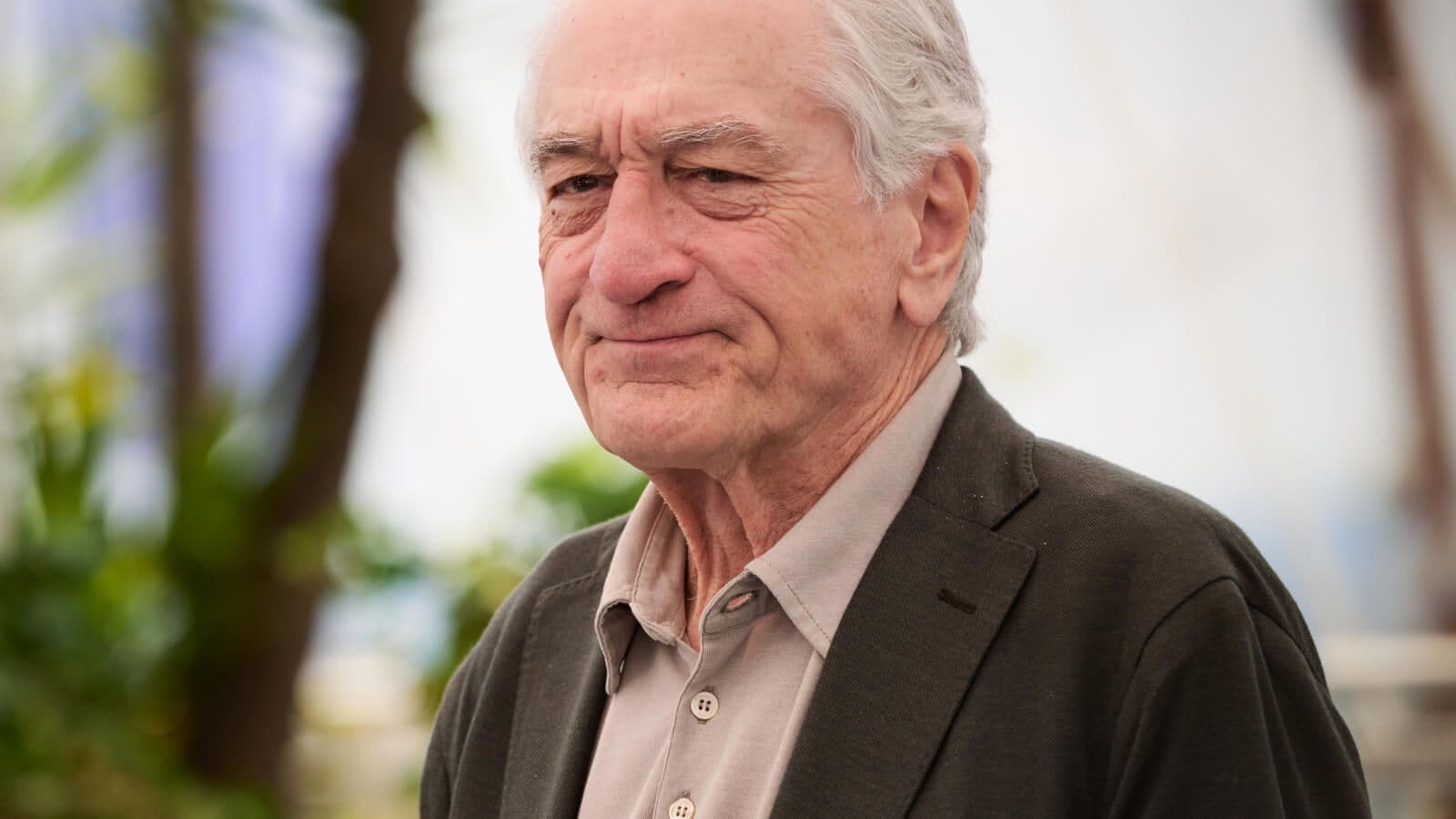
The key difference, Lealos writes, lies in structure. Part II interweaves Michael Corleone's continued rise within the mafia with flashback sequences depicting the earlier rise of his father, Vito Corleone, played in those scenes by Robert De Niro. Lealos argues this dual timeline keeps the film moving at a stronger pace than the original, which he describes as more sprawling and prone to meandering, particularly during the stretch where Michael goes on the run after his first hit and the family's power begins to crumble.
Lealos also compares the endings of both films. The first Godfather closes with Michael at a church for a baptism while his men carry out hits on the family's rivals, ending with a door closing between Michael and his wife after he breaks his promise to leave crime behind. Lealos calls the Part II ending even more devastating because the final hit is personal: Michael's brother Fredo, who had betrayed the family and unknowingly contributed to an attempt on Michael's life, is killed on Michael's orders after their mother dies — fulfilling a promise Michael made that Fredo would be safe only while she lived.
The piece notes that Part II also includes a flashback showing Michael once telling his family he was leaving for the military to escape a life of crime, underscoring the irony of his eventual path. The film closes with Michael sitting alone at the family compound, having lost his wife and ordered his own brother's death — a conclusion Lealos frames as the completion of his moral downfall.
Photo: Gabriel Hutchinson, CC BY-SA 4.0, https://creativecommons.org/licenses/by-sa/4.0, via Wikimedia Commons