
A Musician's Commitment to Community Philanthropy
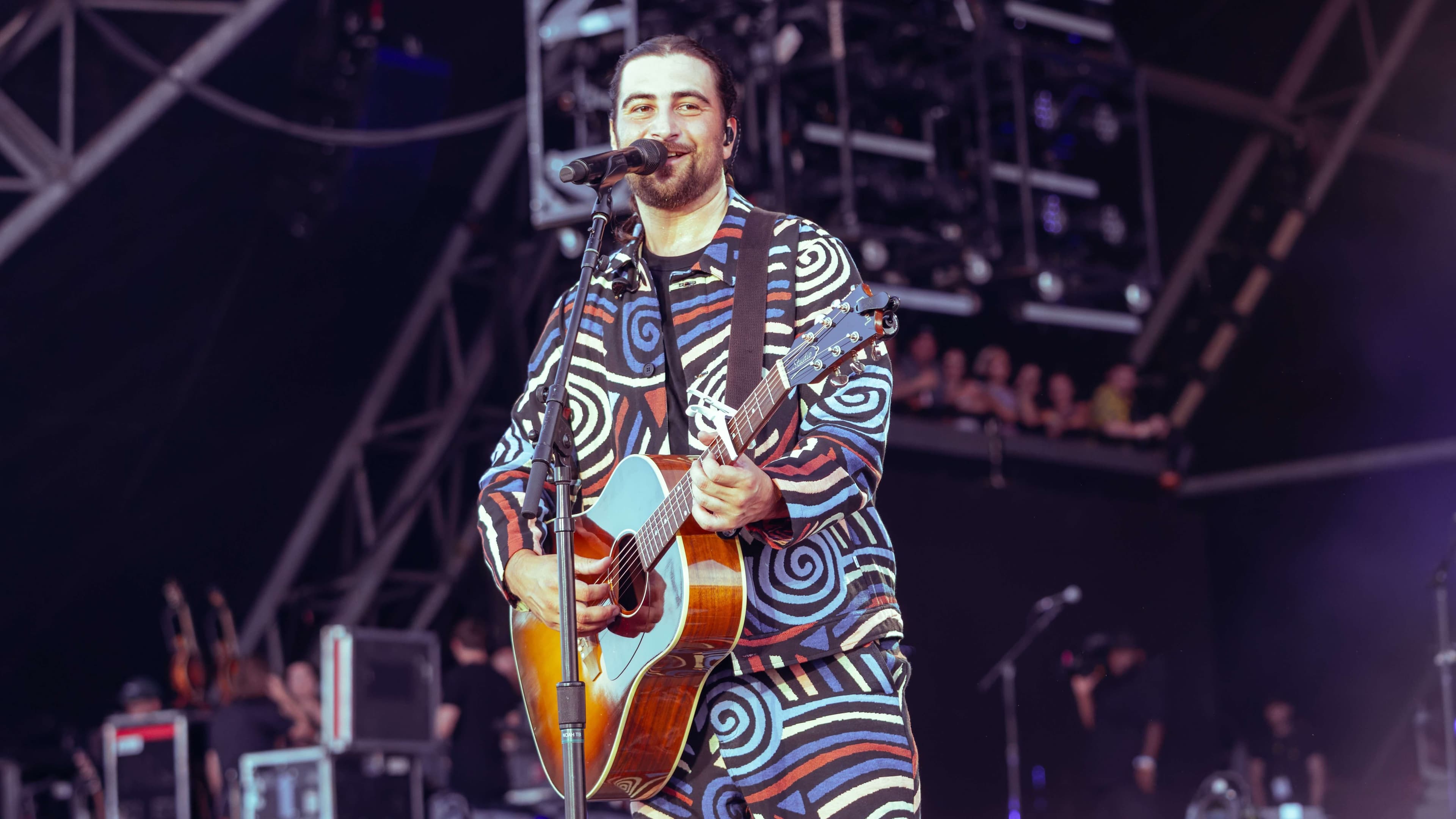
Noah Kahan, the Vermont-based singer-songwriter known for introspective folk arrangements and rural Americana themes, is expanding his philanthropic footprint by bringing back Folk and Fairways, a charitable event that seamlessly blends musical performance with recreational athletics. The two-day gathering takes place in Stowe, Vermont—a location that carries deep personal significance for an artist whose work frequently explores themes of small-town life and regional identity.
This sophomore edition of Folk and Fairways represents more than just another celebrity-hosted fundraiser. It exemplifies a growing movement among contemporary musicians who recognize their platforms as vehicles for tangible community change. Rather than limiting charitable involvement to benefit concerts or passive donations, artists increasingly design multi-faceted events that create memorable experiences while advancing meaningful causes.
The Format: Where Music Meets Sport
The architecture of Folk and Fairways combines two typically separate entertainment spheres—live music and golf competition—into a cohesive experience. This hybrid approach serves multiple strategic functions within the fundraising landscape. Golf tournaments attract a demographic often distinct from traditional concert audiences, thereby expanding the donor base and creating cross-appeal that benefits participating charities.
The September timing positions the event during Vermont's shoulder season, when the state's natural landscape transitions into autumn's visual prominence. This seasonal placement likely influences both attendance patterns and the overall atmosphere of the gathering, as participants experience mountain scenery at peak aesthetic impact.
Why This Matters: The Evolution of Artist Philanthropy
The return of Folk and Fairways illustrates a significant shift in how contemporary musicians approach charitable giving. Rather than delegating fundraising to established institutions, artists increasingly design bespoke events that reflect their personal values and community connections.
This approach offers several advantages within modern philanthropy. First, it creates authentic narrative alignment—when an artist hosts an event in their hometown on behalf of causes they genuinely support, donor confidence increases measurably. Second, experiential fundraising generates ongoing media coverage and social engagement that extends far beyond the event dates themselves. Third, by combining recreational activities with musical performance, these events reduce the barrier to entry for potential supporters who might not traditionally attend formal fundraising galas.
For Vermont specifically, this represents meaningful economic activity during a period when many rural communities face demographic and financial challenges. Celebrity-hosted events generate direct revenue for local hospitality, service, and entertainment sectors while raising awareness of regional issues.
The Broader Context of Celebrity Charity Events
Kahan's commitment to repeated charitable event hosting positions him within a larger ecosystem of musicians who have embraced year-round community engagement. Unlike one-time benefit concerts, recurring events build institutional momentum and allow organizers to refine logistics while deepening community relationships.
According to industry data from nonprofit sector analyses, events featuring celebrity participation consistently outperform traditional fundraising mechanisms in both revenue generation and participant engagement. The combination of entertainment value with charitable purpose creates psychological incentive structures that encourage participation across broader demographic segments.
The Artist's Connection to Place
Noah Kahan's extensive musical catalog demonstrates thematic preoccupation with rural American identity, small-town stagnation, and regional cultural preservation. His choice to host Folk and Fairways specifically in Stowe—rather than in a major metropolitan entertainment hub—reinforces the authenticity of these artistic concerns. It suggests that his philanthropic priorities align directly with his creative output, creating consistency across all dimensions of his public engagement.
This geographic specificity matters within contemporary music discourse. In an era when many successful artists distance themselves from their origins or relocate to entertainment capitals, Kahan's decision to anchor charitable efforts in his hometown demonstrates deliberate commitment to community investment over personal prestige accumulation.
Event Structure and Participation Dynamics
The two-day format allows for extended engagement that deepens participant relationships with both the charitable mission and the artist's brand. Multi-day events typically generate higher satisfaction metrics and stronger long-term donor commitment than single-event experiences. The structure also provides logistical flexibility, accommodating diverse participant preferences—some attendees may prioritize musical performances while others focus on competitive golf or casual socializing.
By pairing competitive golf with musical entertainment, Folk and Fairways creates natural rhythms that prevent participant fatigue. Morning golf rounds can transition into afternoon performances, or vice versa, allowing attendees to engage with both components according to their preferences and physical stamina levels.
Industry Implications and Trend Analysis
The continuation of Folk and Fairways suggests strong first-edition success metrics, whether measured in fundraising totals, participant satisfaction, or media coverage. When celebrity-hosted events return for subsequent editions, it typically indicates that organizers and artists view the endeavor as strategically valuable and emotionally rewarding.
This pattern aligns with broader industry trends toward experiential entertainment and cause-driven consumer engagement. Modern audiences increasingly evaluate artists based on their perceived social responsibility and community commitment, not solely on musical output. By hosting substantive charitable events, Kahan reinforces his positioning as an artist genuinely invested in regional welfare and philanthropic outcomes.
Looking Ahead: Sustainability of Charitable Initiatives
The success of recurring charitable events depends on several factors: sustained organizational capacity, continued celebrity participation, and meaningful community benefit. Folk and Fairways appears to satisfy all three criteria. Kahan's involvement suggests genuine personal commitment rather than transactional celebrity appearance, local community benefits appear tangible, and the event structure seems sustainable for repeat implementations.
As the entertainment industry increasingly emphasizes artist activism and corporate social responsibility, events like Folk and Fairways represent a template that other musicians might emulate. They demonstrate that meaningful fundraising need not conflict with entertainment value, and that authentic regional connection can amplify both.