
A Year of Unexpected Challenges in Late-Night Television
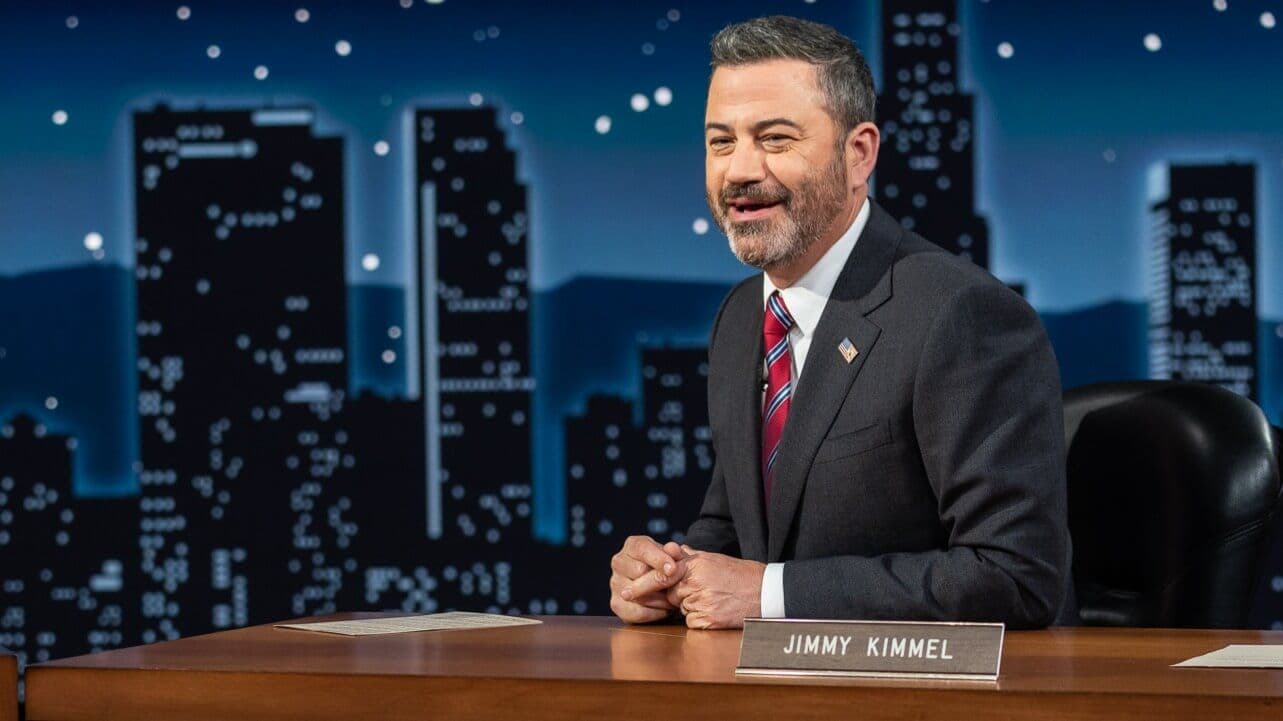
Late-night television has always demanded stamina, wit, and unwavering commitment from its hosts. Jimmy Kimmel, who has anchored his eponymous show since 2003, recently reflected on a particularly demanding season that tested both his professional boundaries and personal resilience. The year brought significant changes to his broadcasting schedule, including a notable hiatus that prompted an outpouring of support from an unexpected coalition of viewers, industry colleagues, and even critics who typically challenge his comedic approach.
The late-night landscape has undergone substantial transformation in recent years. Streaming platforms have fractured traditional television audiences, social media has accelerated the news cycle, and the pressure to maintain nightly relevance has intensified. Within this environment, Kimmel's acknowledgment of his year reflects broader industry conversations about sustainability in talk show hosting—a role that demands fresh material, spontaneous humor, and consistent presence five nights weekly.
The Architecture of Modern Late-Night Broadcasting
Since taking over his ABC timeslot in 2003, Kimmel has built one of television's most enduring programs. Unlike his predecessors who maintained a stricter separation between late-night comedy and daytime activities, Kimmel has expanded into additional hosting responsibilities. His 2020 appointment as host of the revived "Who Wants to Be a Millionaire" represented a significant expansion of his on-air commitments, adding primetime game show hosting to his nightly monologue duties.
Balancing a nightly talk show with periodic hosting of major television events and quiz show seasons creates an unusual workload. The talk show format requires constant content generation—topical monologues that reference current events, celebrity interviews that demand engaging conversation, and comedic bits that must land with studio and home audiences simultaneously. Adding primetime hosting responsibilities compounds these demands considerably.
Industry Response and the Role of Community Support
What distinguished Kimmel's recent experience was the breadth of support he received during his broadcast hiatus. Traditionally, late-night audiences can be polarizing. Kimmel's comedy has occasionally generated controversy, attracting both devoted fans and vocal detractors. His characterization of receiving encouragement from "friends, strangers, and even those who generally make me throw up" speaks to the unusual nature of his support network during this period.
This phenomenon reflects an interesting dynamic in contemporary entertainment. Despite ideological or entertainment preference differences, viewers frequently unite around personality-based concerns when they perceive a public figure facing genuine difficulty. The distinction between disagreeing with someone's comedy and wishing them well during personal or professional challenges appears to have manifested in Kimmel's case.
Industry peers also played a notable role. Late-night hosts maintain a complicated relationship—simultaneously competitors for ratings, cultural relevance, and guest availability, yet united by the unique pressures of their industry. Moments of genuine difficulty often prompt this competitive cohort to demonstrate collegial support, recognizing that the challenges one host faces often foreshadow difficulties others may encounter.
Why This Matters
Kimmel's reflection on his demanding year carries significance beyond his individual situation. It highlights ongoing conversations about sustainability in high-profile television roles. The American entertainment industry has long struggled with work-life balance, particularly for on-air talent. Talk show hosting represents one of the most demanding formats—requiring constant availability, spontaneous thinking, and consistent performance quality.
As streaming services continue fragmenting audiences and traditional television adapts its models, questions about whether the nightly five-day-a-week format remains sustainable grow louder. Kimmel's experience provides real-world context for these discussions. His willingness to discuss support systems and his acknowledgment that the year presented genuine challenges normalizes conversations that high-profile entertainers often avoid publicly.
Additionally, his situation underscores the evolving relationship between performers and audiences in the digital age. Unlike previous decades when late-night hosts maintained more formal distance from their audiences, modern talk show personalities engage directly through social media and digital platforms. This accessibility creates more immediate emotional connections but also exposes performers more directly to both appreciation and criticism.
The Broader Context of Late-Night Evolution
Late-night television itself continues evolving. Traditional late-night audiences have aged significantly, with younger viewers increasingly consuming talk show content through clips on YouTube, TikTok, and Instagram rather than watching full episodes at 11:35 PM. This shift affects how late-night shows generate relevance and revenue, influencing production decisions and host schedules.
Kimmel's career trajectory illustrates this transition. He began in comedy clubs and alternative venues, moved to hosting duties on Comedy Central, and eventually secured the ABC late-night slot. Throughout, he's adapted his approach to changing media consumption patterns while maintaining core comedic sensibilities that built his original audience.
The addition of game show hosting represents another adaptation—diversifying his television presence and ensuring relevance across multiple programming types. However, this diversification creates the very sustainability challenges that his recent hiatus highlighted.
Moving Forward in Late-Night
As talk show formats continue adapting to contemporary viewing habits and audience fragmentation, the experiences of established hosts like Kimmel provide valuable data points. His period of adjustment and the subsequent support he received demonstrate that even the most seasoned broadcasters sometimes require breaks from the relentless pace of live television.
The late-night industry may be entering a period of gradual format evolution. Rather than maintaining strictly nightly schedules indefinitely, networks might explore more flexible broadcasting models that preserve quality while reducing the unsustainable pressure on hosts. Kimmel's year—while specifically challenging for him—may inform broader industry conversations about how to sustain world-class late-night programming without compromising the performers delivering it.
His reflection that he'll never forget the support he received suggests someone who emerged from a difficult period with renewed appreciation for both his audience and his professional community. In an entertainment landscape increasingly characterized by division and criticism, that sentiment carries genuine power.