
When Living Legends Share a Stage, History Pays Attention
There are concerts, and then there are events — nights when the music transcends entertainment and becomes something closer to cultural testimony. A shared bill between Smokey Robinson and Gladys Knight at the Hollywood Bowl falls firmly into the second category. These are not merely popular artists enjoying a nostalgia circuit. They are two of the most consequential figures in the history of American popular music, and when they appear together under the stars at one of the world's most storied venues, the occasion demands serious attention.
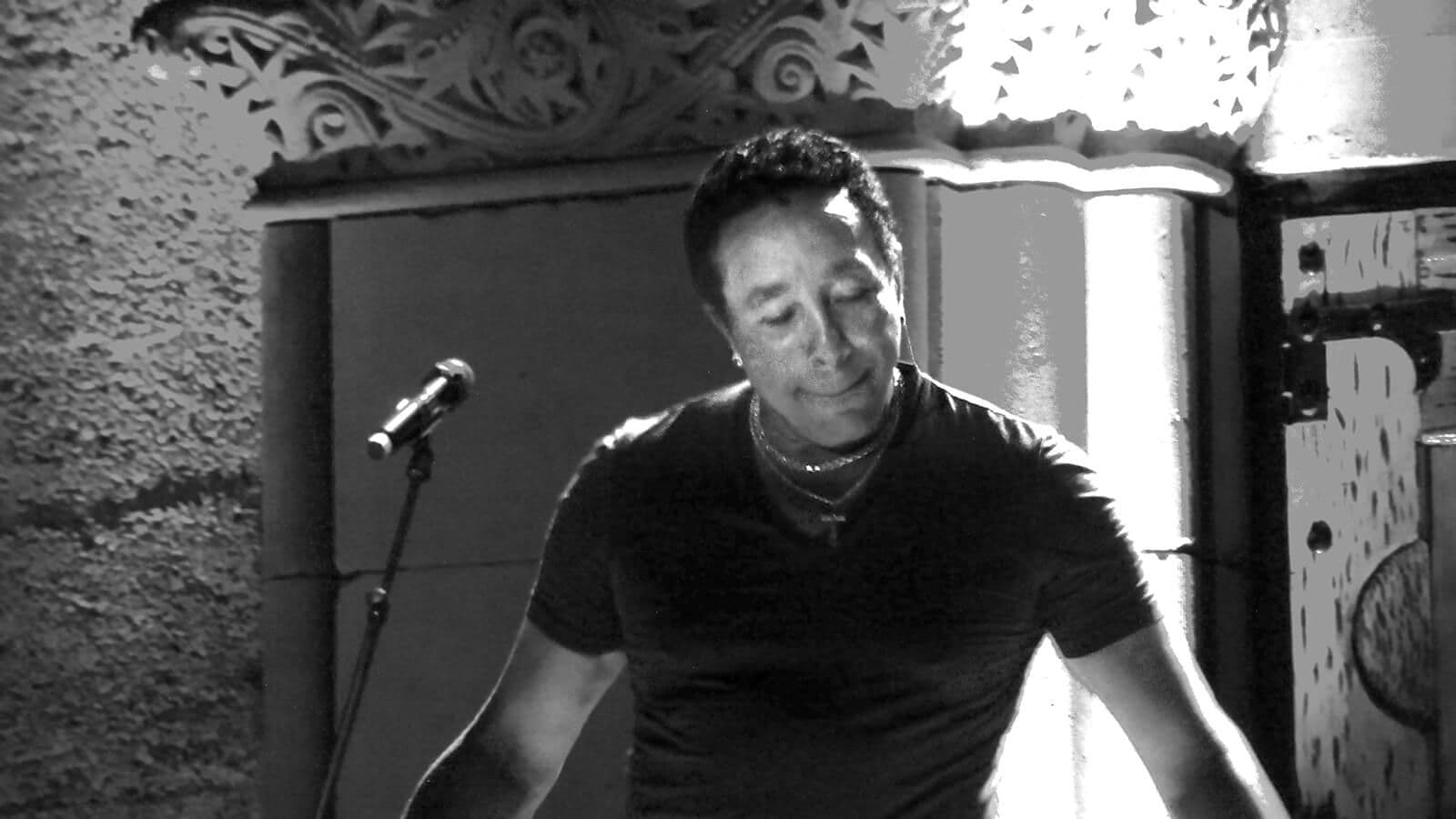
According to Billboard, their Hollywood Bowl performance delivered seven distinct highlights that collectively painted a portrait of two artists still fully inhabiting their gifts. Perhaps the most striking takeaway from critical coverage was the observation that Robinson — long and rightly celebrated as one of the greatest songwriters in pop music history — may be significantly undervalued as a live performer. That framing invites a deeper question: How does a man responsible for some of the most beloved songs ever written also manage to be underestimated on stage?
Smokey Robinson: The Songwriter Who Performs His Own Miracles
To understand Smokey Robinson's live presence, it helps to understand the sheer scope of his creative output. Robinson wrote or co-wrote songs that defined an era — not just for himself and The Miracles, but for artists including Mary Wells, The Temptations, and Marvin Gaye. His catalog includes "My Girl," "Ain't That Peculiar," "My Guy," and "The Tracks of My Tears," the last of which Rolling Stone ranked among the greatest songs ever recorded.
Born William Robinson Jr. on February 19, 1940, in Detroit, Michigan, Robinson co-founded The Miracles in 1955 at just 15 years old. The group became one of the first acts signed to Berry Gordy's Motown Records, and Robinson's relationship with Gordy — both personal and professional — helped shape the entire Motown sound. When Robinson performs his own songs live, there is a layered intimacy that no cover artist could replicate. He is not interpreting the material; he is the material.
What critics and audiences repeatedly note about his live performances is a deceptive effortlessness. Robinson's voice, even well into his eighties, retains a silken falsetto quality that made him famous. More importantly, his stage presence communicates genuine joy — not the manufactured enthusiasm of a performer going through the motions, but the quiet confidence of someone who has spent a lifetime learning exactly who he is as an artist.
Gladys Knight: The Empress Whose Voice Only Deepens With Time
If Robinson brings silken grace to a stage, Gladys Knight brings elemental force. Born on May 28, 1944, in Atlanta, Georgia, Knight began performing at age four and won a television talent competition at seven. By the time she and The Pips signed with Motown Records in 1966, she had already been a professional entertainer for over a decade.
Knight's voice is one of those rare instruments that seems to grow richer with age, accumulating texture and emotional weight the way fine wood absorbs years of resonance. Her 1973 recording of "Midnight Train to Georgia" — which won the Grammy Award for Best R&B Song in 1974 — remains one of the definitive vocal performances in American music. But to reduce Knight to a single song would be to fundamentally misunderstand her range. She has recorded across soul, gospel, pop, and R&B, and her live performances draw from all of those wells simultaneously.
Sharing a stage with Robinson, Knight represents a complementary artistic force. Where Robinson tends toward introspection and melodic tenderness, Knight operates at full emotional altitude from the opening note. Together, they offer an audience something increasingly rare: the full spectrum of what soul music can do.
The Hollywood Bowl as a Stage for Legacy
The Hollywood Bowl itself is not a neutral backdrop. Opened in 1922 and located in the hills above Los Angeles, it is one of the largest natural amphitheaters in the world, with a seating capacity of approximately 17,500. The venue has hosted performances by The Beatles, Frank Sinatra, Ella Fitzgerald, and virtually every significant artist of the 20th and 21st centuries. When an artist plays the Hollywood Bowl, they are joining a conversation with music history itself.
For Robinson and Knight specifically, the venue carries particular resonance. Both artists came of age during an era when Black performers were routinely denied access to America's most prestigious stages. That two Motown legends now headline the Hollywood Bowl is not simply a concert booking — it is a statement about how profoundly American music culture has been shaped by the artists who built Motown from Detroit's streets into a global phenomenon.
Why This Matters: Living History in an Era of Streaming Algorithms
In the contemporary music landscape — dominated by streaming metrics, algorithm-driven discovery, and short-form video content — a performance like this one carries unusual cultural weight. Younger audiences increasingly encounter classic artists through sample clearances and playlist placements rather than through the direct experience of their work. A concert of this stature creates an opportunity for intergenerational transmission that no streaming platform can fully replicate.
There is also a broader industry pattern worth acknowledging: the ongoing commercial and critical vitality of legacy artists is reshaping how the live events business thinks about its audience. Older demographics have proven consistently willing to spend significantly on premium live experiences, and venues like the Hollywood Bowl have responded by programming thoughtful, high-prestige events that treat catalog artists as the living treasures they are.
For fans of American soul music, a shared Robinson-Knight performance is not a nostalgia exercise. It is an opportunity to witness the source material — the original voices, the authentic interpretations — in a context where their full significance can be felt rather than merely streamed.
The Underrated Art of the Live Performance
Billboard's observation that Robinson may be underrecognized as a live performer raises a point that applies more broadly across the entertainment industry. The critical apparatus that surrounds music has long prioritized recorded output — albums, singles, production choices — while treating live performance as secondary evidence of an artist's worth. For artists like Robinson, whose gifts as a songwriter are so overwhelming that they tend to dominate every critical conversation, the live dimension of their artistry can genuinely get lost.
But live performance is where all of it comes together: the songs, the voice, the accumulated wisdom of decades on stage, and the irreducible human connection between a performer and an audience sharing the same physical space. When Smokey Robinson and Gladys Knight perform together, they are offering precisely that — and the Hollywood Bowl, on that evening, was exactly the right place to receive it.