
A New Model for Music Premieres
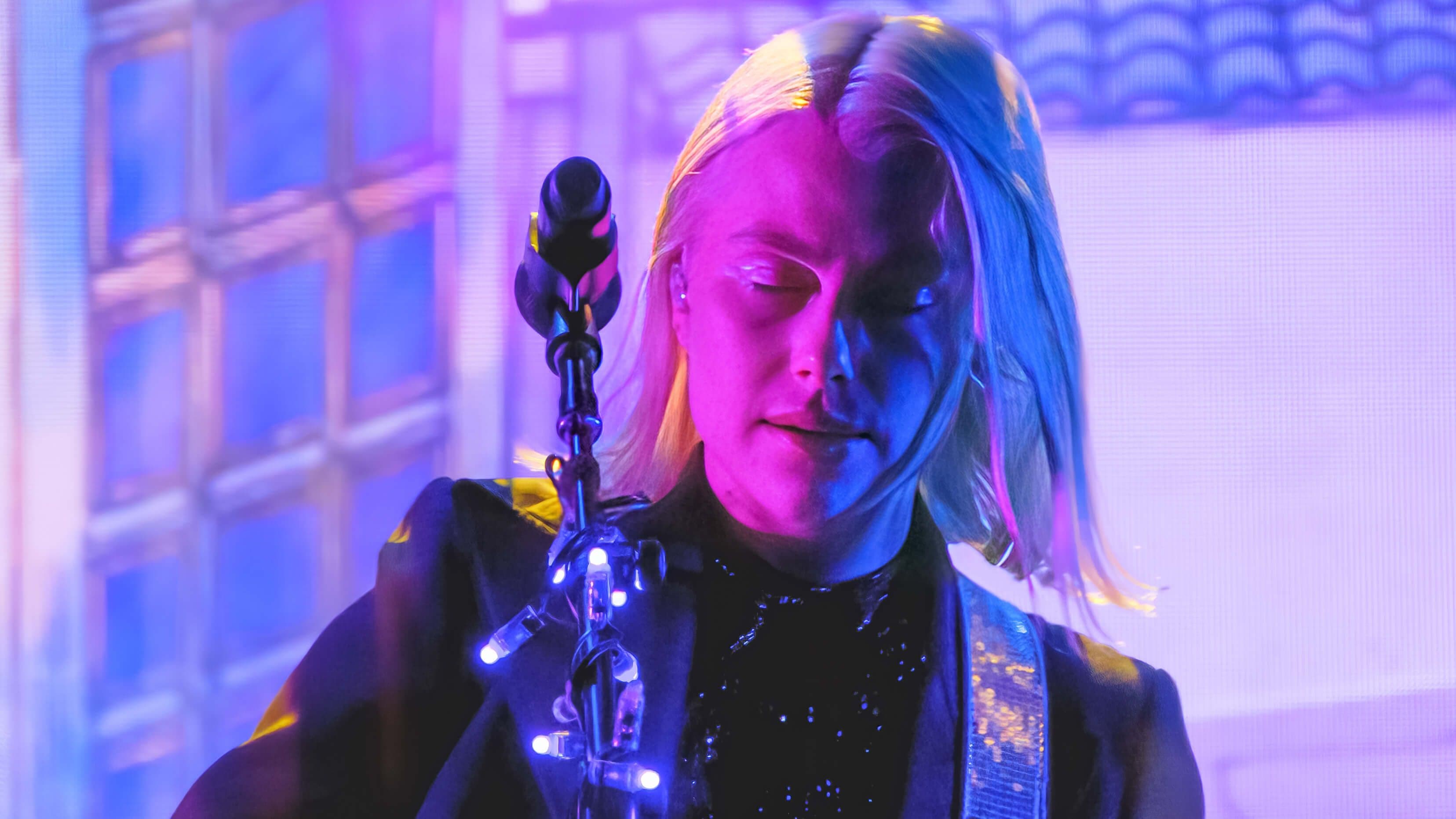
Phoebe Bridgers is reimagining how artists introduce new music to the world. Rather than following the traditional route of streaming platform exclusives or radio station premieres, the indie-folk singer has opted for an experiential approach that combines her music with immersive technology. Her upcoming album 'Lost Weekend' will debut exclusively in planetariums across more than 30 cities worldwide, marking a significant departure from conventional album release strategies.
This approach represents a broader shift in the music industry toward creating memorable, shareable experiences that extend beyond passive listening. As streaming platforms continue to dominate music consumption, artists increasingly seek ways to differentiate their releases and foster deeper connections with audiences.
The Immersive Experience
The planetarium listening sessions integrate multiple sensory elements to create what organizers describe as a fully realized artistic experience. The five-day global rollout features two distinct presentation formats, each designed to showcase different aspects of the album's visual and sonic identity.
Laser Fantasy, a company known for designing dynamic visual experiences in live performance settings, created custom laser projections that will accompany the music. These aren't simple background visuals—they represent a coordinated artistic partnership where light design directly responds to the album's structure, dynamics, and emotional arc.
The planetarium setting itself is deliberately chosen. These venues offer 360-degree projection capabilities and sophisticated sound systems specifically engineered for immersive audio. Unlike traditional concert venues or music festivals, planetariums provide climate-controlled environments where audiences can focus entirely on the presentation without external distractions. This controlled setting allows both the album's nuances and the visual elements to resonate with maximum impact.
Historical Context in Artist Innovation
Bridgers' approach follows a lineage of artists who've used unconventional venues and technology to premiere new work. Pink Floyd's experiments with immersive sound design in the 1970s, David Bowie's multimedia performances, and more recently, artists like Björk integrating virtual reality and interactive installations have all challenged traditional release paradigms.
The planetarium premiere sits at the intersection of several industry trends: the rise of experiential marketing, increased investment in audio quality as a competitive advantage, and a growing appetite among music fans for unique, Instagram-worthy moments that distinguish their engagement with music from passive streaming consumption.
According to music industry analysts, experiential album premieres have gained traction particularly among artists in the indie and alternative genres, where listener communities tend to be highly engaged and geographically dispersed. These events generate organic social media coverage while creating a sense of exclusive access that streaming-era releases often struggle to maintain.
Artist Evolution and Strategic Positioning
Phoebe Bridgers has consistently positioned herself at the intersection of musical innovation and visual artistry. Her previous work has featured distinctive album artwork, visually compelling music videos, and carefully curated visual aesthetics across all promotional materials. The planetarium premiere extends this philosophy into the realm of live experience.
For Bridgers specifically, this strategy also serves a practical purpose. Rather than committing to a traditional tour with its associated logistical demands and environmental impact, the planetarium model allows her to reach audiences in over 30 cities while maintaining control over the premiere experience. Each planetarium iteration maintains identical production standards, ensuring consistency regardless of venue location.
The five-day window for the global rollout creates temporal exclusivity—a concept that becomes increasingly valuable in an era of simultaneous global releases. This staged approach generates sustained media attention and extends the cultural moment around the album's unveiling beyond a single day.
Why This Matters
The planetarium premiere model demonstrates how mid-career artists can leverage technology and creative partnerships to generate cultural significance around album releases without relying primarily on major label marketing infrastructure. For the broader music industry, it suggests growing acceptance of non-traditional premiere formats that prioritize artistic vision over commercial convenience.
This approach also reflects changing assumptions about album listening. Rather than treating new music as background content consumed during commutes or workouts, the planetarium experience positions music as an event worthy of dedicated, focused attention in a specially designed space. It's a statement about music's cultural value in an oversaturated content landscape.
For venues like planetariums, this partnership represents a diversification strategy. As traditional planetarium programming faces competition from streaming documentaries and at-home planetarium apps, partnerships with major artists offer a compelling reason for audiences to visit physical locations. Several planetariums in major metropolitan areas have begun booking special programming beyond traditional astronomy content, recognizing opportunities in music and visual arts collaborations.
The success of this premiere model could influence how other artists approach major album releases in coming years. If the experience generates significant cultural momentum and positive audience response, expect other musicians—particularly those with visual sensibilities and dedicated fan bases—to explore similar immersive presentation strategies.
Bridgers' 'Lost Weekend' premiere stands as a notable example of how technology, venue selection, and artistic intention can converge to create something genuinely innovative in contemporary music culture.