
A Career Milestone in Manhattan
Hilary Duff's residency at Madison Square Garden represents a defining moment in the trajectory of a pop artist who has successfully navigated multiple phases of entertainment industry relevance. The multi-night stand at one of the world's most demanding venues demonstrates her enduring appeal to fans and her ability to command large-scale production resources—a marker of sustained commercial viability in the contemporary music landscape.
Madison Square Garden, which has hosted over 200 major events annually since opening in 1968, serves as a barometer for artist prominence. According to venue data, artists selected for multi-night residencies typically demonstrate the kind of ticket-selling power and fan loyalty that ensures consistent arena-level attendance. Duff's selection for this format underscores her position as a major player in pop entertainment, not merely nostalgia-driven legacy act.
The Power of Unexpected Collaborations
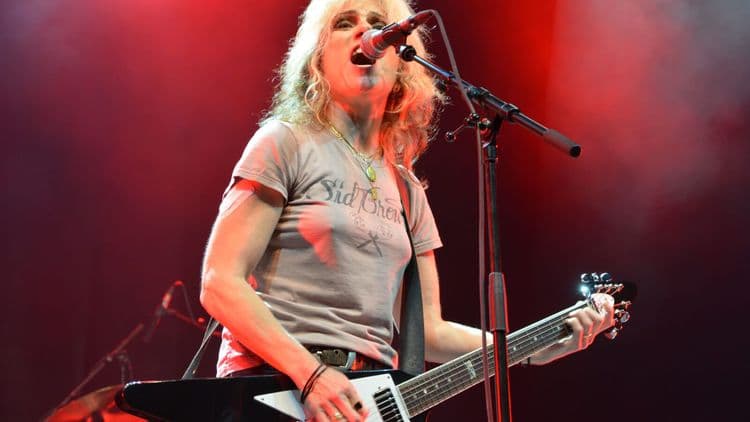
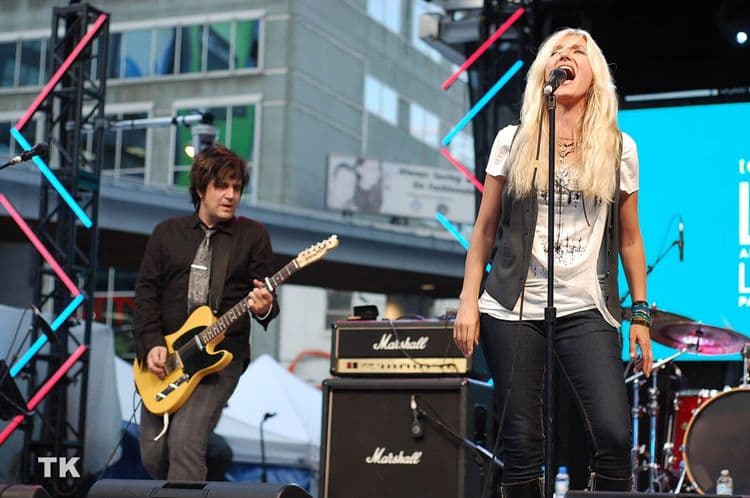
One of the defining elements of the residency performances involved bringing together artists from different eras of Duff's career and cultural landscape. The inclusion of Good Charlotte on the bill created a bridge between pop-punk influences and contemporary pop sensibilities—a musical conversation that resonated with audiences spanning multiple generational cohorts.
The collaborative moments extended to on-stage performances with artists from Duff's personal history, creating what entertainment analysts call "narrative closure" moments. These sequences tap into audience nostalgia while simultaneously positioning current performances within a larger biographical context. When artists perform alongside figures from their romantic or professional past, audiences experience a layered emotional response—the music itself combined with the symbolic weight of shared history.
This approach has become standard practice in arena pop performances. Artists like Taylor Swift have built entire tours around curated guest appearances that serve both commercial and artistic purposes, generating multiple social media moments per show and driving ticket resale market activity.
The Realities Behind the Curtain
The residency unfolded against the backdrop of the complex logistics that define modern arena touring. A two-night stand at Madison Square Garden requires coordination of technical crews, security personnel, sound engineers, and production designers—typically involving 150+ crew members working in synchronized fashion.
The juxtaposition of extraordinary performance moments with ordinary life circumstances—such as managing parental responsibilities while executing major professional commitments—reflects the lived reality of contemporary entertainment figures. This human dimension, when visible to audiences, often generates compassion and connection that purely polished performances cannot replicate.
Arena shows of this scale involve months of advance planning, with production budgets often exceeding $2 million per night when accounting for staging, lighting, sound reinforcement, and personnel. The decision to perform multiple consecutive nights at a single venue represents significant financial commitment and risk mitigation—if initial shows underperform, subsequent performances can be adjusted; touring to different cities offers no such flexibility.
Why This Matters
The significance of Duff's MSG residency extends beyond entertainment metrics into broader patterns about how successful artists maintain relevance across decades. She represents a cohort of performers who emerged through late-1990s and early-2000s media channels—Disney Channel prominence, pop album success, and early social media adaptation—and who continue generating substantial revenue and cultural conversation.
The residency format itself reflects evolving fan expectations and technological capabilities. Modern concert audiences expect not merely musical performance but curated experiences with production value equivalent to theatrical productions. Multi-night residencies allow for this level of investment while creating the mythology of the "can't-miss show" that drives attendance and pricing dynamics.
Moreover, the inclusion of surprise guest performances has become essential to concert marketing strategy. Each show generates social media content from attendees, with surprise moments creating organic viral marketing moments. In an era where ticket sales depend heavily on FOMO (fear of missing out) dynamics, unpredictability becomes a feature, not a bug.
The Evolution of Pop Performance
Duff's trajectory from Disney television to arena headliner mirrors broader patterns in entertainment industry evolution. The most successful 2000s-era pop stars positioned themselves across multiple media formats—music, television, film, social media—rather than specializing in single disciplines. This omnichannel approach created resilient careers less vulnerable to trends in any single medium.
Her ability to command Madison Square Garden in 2026 demonstrates that the 1990s-2000s pop paradigm created sustainable career foundations. Artists who built substantial fanbases during that era and maintained consistent cultural visibility continue enjoying touring advantages that newer artists struggle to achieve, particularly given the fragmented streaming landscape that makes breakout success increasingly difficult.
The residency itself represents a mature artist's prerogative—the option to create highly curated, artistically intentional performances for devoted audiences, rather than touring exhausting schedules across multiple cities. This format allows for greater creative control, superior production values, and reduced logistical stress, positioning residencies as the format of choice for established artists managing longevity and artistic fulfillment alongside commercial success.
These performances ultimately document an important moment in pop history: the point at which a generation of digital-era pop stars reached the career stage traditionally occupied by legacy acts and vintage performers, proving that streaming, social media, and contemporary pop production could generate career durability equivalent to pre-digital era standards.