
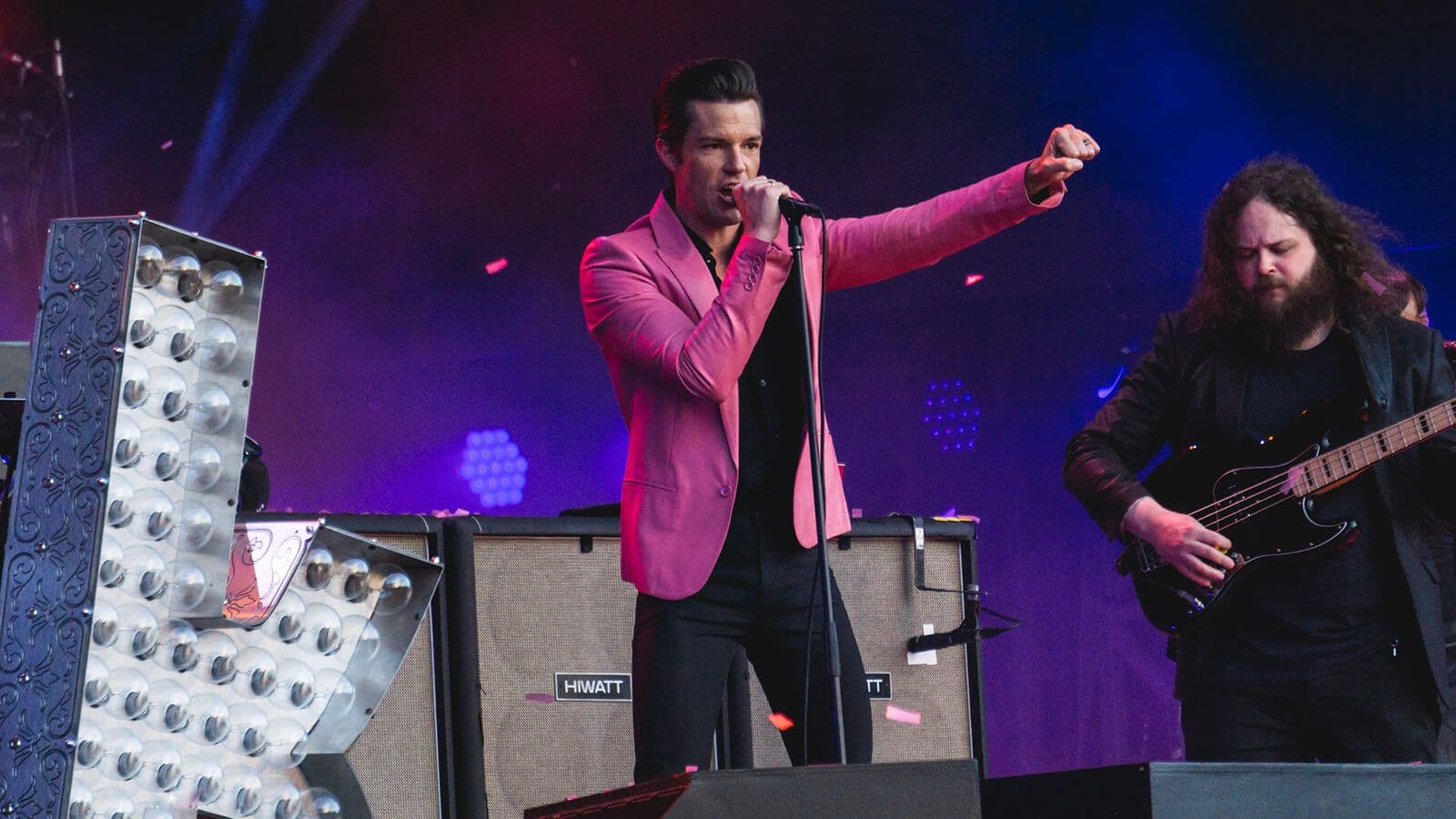
The Universal Question About Artistic Longevity
When accomplished musicians reach certain career milestones, an inevitable question emerges: how much longer should they maintain their professional trajectory? This isn't a sign of weakness or diminishing passion—it's a pragmatic assessment that experienced performers regularly confront. Brandon Flowers' recent public reflection on this question illuminates a broader industry reality: sustained careers in music demand more than talent alone.
The question itself reveals the psychological complexity underlying decades-long entertainment careers. Artists who've achieved mainstream success, critical recognition, and financial security face fundamentally different calculations than emerging performers. For them, continuing involves not necessity but deliberate choice—a distinction that fundamentally reshapes how they evaluate their professional futures.
Understanding Career Sustainability in Modern Music
Modern recording artists operate within demanding frameworks that didn't exist in previous decades. Touring expectations have intensified significantly—successful musicians typically spend 100-150 days annually on the road. Recording cycles demand constant engagement with social media, music streaming platforms, and fan interaction between albums. Physical demands compound as artists age, with vocal strain, hearing preservation, and general fatigue becoming legitimate health considerations.
According to industry analyses, professional musicians report burnout rates substantially higher than general population averages. The combination of creative pressure, relentless scheduling, and public scrutiny creates sustainability challenges that affect even the most successful performers. Unlike traditional careers with defined retirement timelines, entertainment careers lack natural endpoints, leaving decisions entirely to individual assessment.
Looking to Legacy Examples
Flowers' reference to legendary performers like Mick Jagger represents a strategic benchmarking exercise common among veteran artists. Jagger's sustained career across multiple decades offers particular insight—he's maintained performance standards while selectively choosing projects rather than accepting every opportunity. His approach demonstrates that legendary status doesn't require constant productivity, enabling strategic rest periods and creative recalibration.
Historical patterns show successful artists employ varied strategies for longevity. Some implement touring sabbaticals between recording cycles. Others transition from frontman roles to producing, mentoring, or behind-the-scenes creative work. A significant contingent embraces selective performances—festival appearances, special events, or limited-run residencies rather than extensive world tours.
These approaches reflect a fundamental shift: career longevity increasingly means sustainability rather than constant output. Artists who've achieved lasting success understand that maintaining relevance requires protecting creative energy and personal wellbeing alongside professional obligations.
The Evolution of Artist Career Trajectories
Previous generations of musicians often toured extensively throughout their entire careers, with retirement coming either through choice or diminished demand. Modern artists benefit from recorded catalog streaming revenue, reducing financial dependence on constant touring. This economic shift paradoxically creates more options—artists can maintain careers through catalog monetization without perpetual new content or live performance.
The streaming era fundamentally changed career economics. Established artists' catalogs generate consistent passive income previously unavailable, enabling strategic career choices unavailable to previous generations. An artist can step back from touring and still maintain revenue through streaming platforms like Spotify and Apple Music, which pay per stream regardless of current activity level.
Technological advancement introduced another consideration: synthetic performances and remote touring technology. Some artists now explore hybrid approaches—utilizing projection technology or selective in-person appearances rather than traditional full-scale tours. These innovations expand possibilities for sustained careers while reducing physical demands.
The Creative Fulfillment Question
Beyond logistical and physical considerations, veteran artists increasingly prioritize creative fulfillment. Performers who've achieved everything commercially often face the genuine question: what artistically motivates continued output? This differs fundamentally from emerging artists' imperatives to build careers and establish audiences.
Many veteran performers describe creative exhaustion as their primary concern. After multiple albums, world tours, and industry accolades, finding fresh artistic direction becomes genuinely challenging. Some address this through genre exploration, collaborative projects, or unconventional recording approaches. Others conclude that stepping back from constant creative production actually preserves their artistic legacy better than continued output for financial or contractual reasons.
This perspective represents artistic maturity rather than career decline. Legendary performers understand that their most significant contribution might be stepping back strategically rather than overextending into diminished creative returns.
Why This Matters: Industry Implications
These conversations about career longevity reflect broader industry evolution. The music business increasingly recognizes that sustainable careers benefit both artists and audiences. Burnout creates mediocre work, damaged artist health, and reduced fan satisfaction. Strategic career management—including deliberate breaks and selective engagement—actually serves the industry better than relentless output.
The cultural narrative around artist retirement is also shifting. Previous generations often faced pressure to tour until physical impossibility prevented performance. Current attitudes increasingly embrace strategic pauses, limited engagement, and selective project involvement as legitimate career choices. This represents progress in how the industry values artist wellbeing alongside commercial performance.
For emerging and mid-career artists observing these reflections from established performers, the message is reassuring: sustaining careers doesn't require perpetual activity. Strategic choices, creative evolution, and honest assessment about longevity ultimately produce more meaningful artistic legacies than burnout-driven overextension.
Brandon Flowers' willingness to publicly articulate these questions normalizes conversations that veteran performers regularly have privately. His reflection demonstrates that even at the highest achievement levels, artists remain fundamentally human—subject to fatigue, questioning their direction, and genuinely assessing what comes next. This authenticity itself represents a valuable contribution to how the entertainment industry discusses sustainability and meaningful artistic careers.
Photo: Raph_PH, CC BY 2.0 https://creativecommons.org/licenses/by/2.0, via Wikimedia Commons