
Christopher Nolan's The Odyssey Becomes the Latest Piracy Battleground
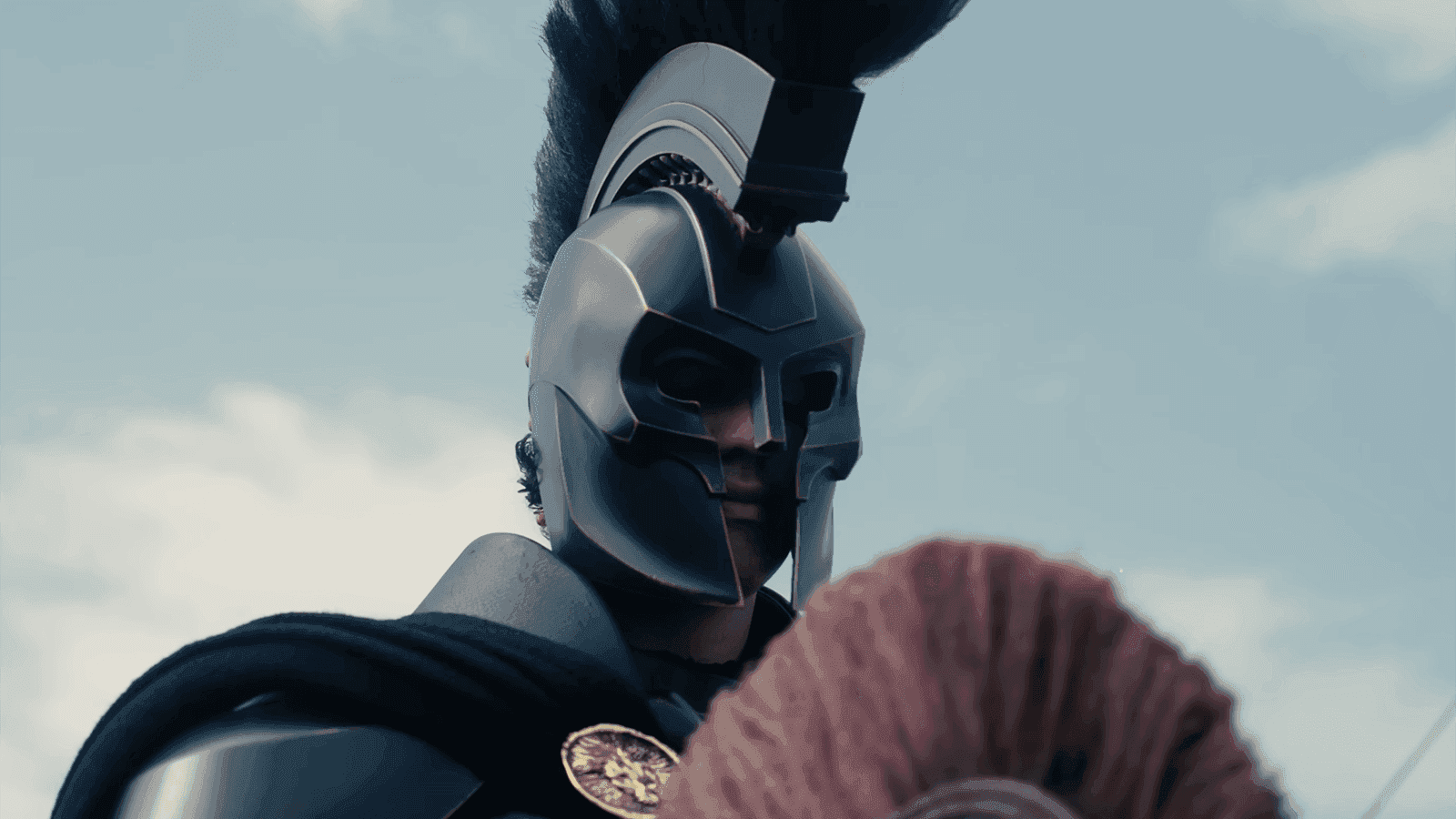
When Christopher Nolan releases a film, the world pays attention — and unfortunately, so do pirates. Following the theatrical debut of The Odyssey on July 17, 2026, unauthorized copies of the film began circulating on X, the social media platform formerly known as Twitter. Universal Pictures, the studio behind the release, has since moved to combat the spread of pirated content, issuing responses and takedown efforts aimed at curbing the leaks.
This situation is far from unique in Hollywood history, but the speed and scale of modern piracy — amplified by social media platforms with hundreds of millions of users — makes each new incident a fresh stress test for the entertainment industry's content protection infrastructure.
Why Film Piracy on Social Media Is a Growing Crisis
Film piracy is not a new phenomenon. Since the early days of VHS bootlegging in the 1980s, studios have waged a continuous war against unauthorized duplication and distribution of their content. What has changed dramatically in the 21st century is the delivery mechanism. Social platforms like X, Telegram, and Reddit have become rapid-distribution networks capable of spreading full-length films to millions of viewers within hours of a theatrical release.
According to the Global Innovation Policy Center, digital film piracy costs the U.S. economy an estimated $29.2 billion annually. The Motion Picture Association has long argued that the first two weeks of a theatrical window are the most economically critical — and also the most vulnerable to piracy damage. When a high-profile release like The Odyssey is targeted immediately after opening, the potential revenue loss is substantial.
For a Christopher Nolan film — which typically commands premium IMAX and large-format ticket prices — the stakes are even higher. Nolan's Oppenheimer, released in July 2023, earned over $950 million globally at the box office, a figure that underscores just how much money is on the table when piracy strikes a major release from this director.
Universal's Response: What Studios Can Actually Do
When pirated content appears on a platform like X, studios typically have a few tools at their disposal. The Digital Millennium Copyright Act (DMCA), signed into U.S. law in 1998, provides a legal framework for rights holders to request the removal of infringing content from online platforms. Studios submit takedown notices, and platforms are legally obligated to act on them — though the speed and consistency of enforcement varies widely.
Universal Pictures' public response to The Odyssey leaks signals not just legal action but also a reputational strategy. By speaking out, studios send a message to would-be distributors of pirated content while simultaneously rallying public support around the idea of protecting creative work. It's a dual-front battle: legal and cultural.
However, the reality of enforcement on a platform as large and fast-moving as X is daunting. Content can be re-uploaded faster than it can be removed, and international users operate outside U.S. copyright jurisdiction. This cat-and-mouse dynamic has frustrated studios for decades and shows no sign of resolution.
The Nolan Factor: Why Certain Films Attract More Pirates
Not every film becomes a piracy target of this magnitude. Films directed by auteurs with massive global fanbases — directors like Christopher Nolan, James Cameron, or Denis Villeneuve — tend to attract disproportionate piracy attention. Part of this is simple demand: more people want to see the film, and those who cannot access it theatrically or are unwilling to pay seek out alternatives.
Nolan's films occupy a particular cultural space. They are event cinema — the kind of movies audiences feel compelled to experience and discuss in real time. That urgency, while a box office asset, also creates piracy pressure. Fans who can't access IMAX screenings in their region, or who live in countries with delayed release dates, are among the most likely to seek out leaked copies online.
This geographic disparity in release schedules remains one of the most structurally overlooked drivers of piracy. When a film opens in North America weeks before it arrives in Southeast Asia or Latin America, the incentive to find a pirated copy rises sharply. Simultaneous global releases, while logistically complex, have been shown to reduce piracy rates significantly.
What This Means for the Future of Theatrical Distribution
The Odyssey piracy situation is a symptom of larger structural tensions in the film industry. The theatrical window — the period during which a film is exclusively available in cinemas before moving to streaming or home video — has been shrinking for years. During the COVID-19 pandemic, studios experimented aggressively with simultaneous theatrical and streaming releases, training audiences to expect immediate at-home access.
Nolan himself has been one of Hollywood's most vocal advocates for the theatrical experience. His insistence on cinema-first releases is both an artistic statement and a commercial philosophy. But it also creates a window of vulnerability: the longer a film remains theatrical-only, the longer pirated copies have to fill the gap for audiences unwilling or unable to visit a cinema.
The industry is watching how Universal navigates this moment. A robust and visible response to the Odyssey leaks could set a precedent for how studios handle piracy on social platforms going forward — including potential pressure on X and similar platforms to implement more proactive content filtering for newly released films.
Why This Matters Beyond One Film
The battle over The Odyssey leaks is bigger than any single movie. It reflects an ongoing negotiation between technological capability, legal frameworks, and the economic realities of modern filmmaking. Major studio films routinely cost hundreds of millions of dollars to produce and market, and piracy directly undermines the return on that investment.
More broadly, the health of theatrical cinema — already under pressure from streaming, changing audience habits, and rising ticket prices — depends on studios being able to protect their biggest releases during their most critical commercial window. When that protection fails, even partially, the ripple effects are felt throughout the industry: by theaters, distributors, crew members, and the countless behind-the-scenes professionals whose livelihoods are tied to a film's commercial success.
Universal's fight against The Odyssey piracy is, in that sense, everyone's fight — whether or not they've seen a single frame of the film.