
The Rare Art of Hollywood Self-Criticism
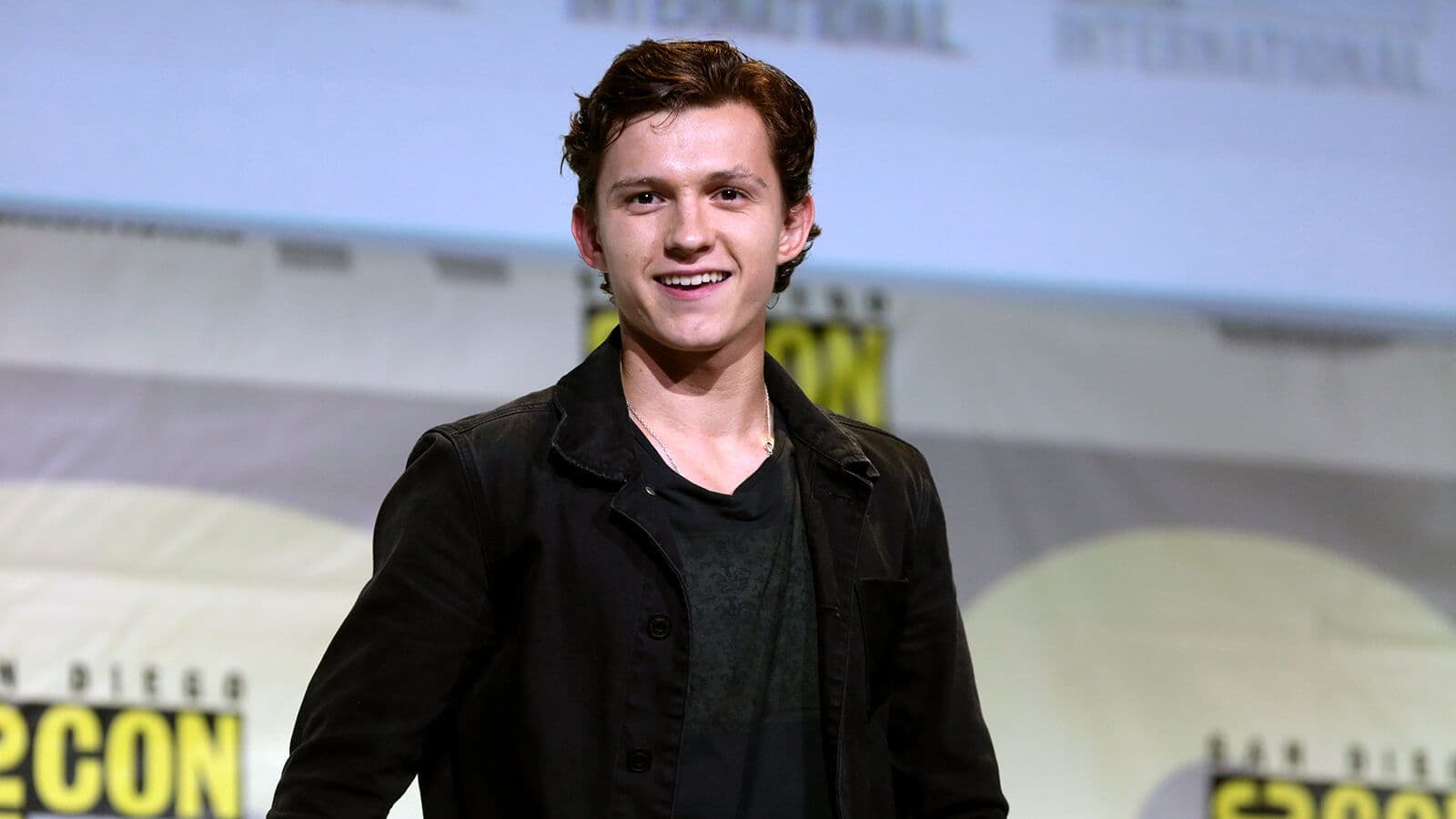
In an industry where promotional speak is practically its own language, genuine candor from a major film star lands like a thunderclap. Tom Holland — best known globally as Marvel's Spider-Man — has done something that very few actors at his level ever risk: he openly acknowledged that a portion of his filmography simply isn't worth your time. No hedging. No PR-softened language. Just a frank admission that some of the movies he's made haven't measured up, and he knows it.
This kind of honesty isn't just refreshing. It's strategically interesting, professionally revealing, and says something important about where Holland stands in his career right now.
What Drives an Actor to Promote a Film They Don't Believe In?
To understand why Holland's comments resonate so deeply, it helps to understand the machinery behind a film's press cycle. When a studio spends anywhere from $50 million to $300 million producing and marketing a movie, every interview, every late-night appearance, and every podcast appearance is a calculated investment. Actors are expected to be enthusiastic ambassadors regardless of how they personally feel about the finished product.
This is not a new phenomenon. The modern Hollywood press junket model, which became standardized through the 1990s and early 2000s, essentially turns actors into spokespersons under contractual obligation. According to industry observers, talent contracts often include promotional appearance requirements tied directly to film releases — meaning stars can be legally obligated to publicly support work they may privately find lacking.
The result is decades of identical quotes about "incredible journeys," "amazing casts," and films that "really challenged" the actors involved. Audiences have grown savvy enough to recognize the formula, which is precisely why Holland's departure from it cuts through the noise so effectively.
Tom Holland's Career Arc Makes This Moment Possible
Holland first appeared as Spider-Man in Captain America: Civil War in 2016, a casting choice that was met with widespread enthusiasm after previous Spider-Man iterations had grown stale with audiences. He was 19 years old at the time. Since then, he has appeared in well over a dozen major productions, ranging from billion-dollar blockbusters to smaller dramatic projects that received decidedly mixed receptions.
By 2026, Holland is approaching his thirties with a career that has seen extraordinary commercial highs — Spider-Man: No Way Home (2021) grossed over $1.9 billion worldwide, making it one of the highest-grossing films of all time — alongside projects that failed to generate the same excitement. That track record gives him something invaluable: perspective, and enough leverage to speak freely without fear of professional extinction.
Actors earlier in their careers rarely have that luxury. The willingness to publicly evaluate one's own work with clear-eyed honesty is almost always the province of stars who are sufficiently established that no single comment can unravel their standing in the industry.
The Psychology of Press Cycle Exhaustion
There's also a psychological dimension worth examining. Promoting a film you genuinely love is an energizing experience. Promoting one you feel ambivalent about — or worse, one you actively wish had turned out differently — is a quietly exhausting performance that actors rarely discuss.
Industry veterans have described the experience in candid moments off the record: sitting across from a journalist, speaking enthusiastically about a finished product you had no control over in post-production, knowing that the version on screen bears little resemblance to what you thought you were making. It's a specific kind of professional dissonance that takes a toll over time.
Holland's comments suggest he's processed that experience and arrived at something more sustainable — the ability to hold space for both pride and honest disappointment in his own body of work simultaneously.
Why This Honesty Is Actually Good for Business
Counterintuitively, admitting that some of your work isn't great can be one of the more effective tools an actor has for building long-term audience trust. When a star vouches enthusiastically for every single project without exception, audiences learn to discount those endorsements entirely. When that same star admits to mixed results across a career, their genuine enthusiasm for a current project carries significantly more weight.
In the context of promoting The Odyssey and Spider-Man: Brand New Day simultaneously, Holland's candor about past disappointments functions as an implicit seal of approval for both current films. He's essentially telling audiences: I know the difference between good and bad work, and this time, I'm genuinely proud of what we made.
From a marketing psychology standpoint, that framing is remarkably effective — and it doesn't require a single dishonest word.
Why This Matters Beyond Tom Holland
Holland's comments are a signal of a broader shift in how audiences and talent relate to each other in the social media era. Younger audiences in particular have demonstrated a consistent preference for authenticity over polish. They grew up watching behind-the-scenes content, creator commentary, and unfiltered parasocial relationships with public figures across platforms like YouTube, TikTok, and Instagram.
The traditional press junket model — controlled, optimized, relentlessly positive — is increasingly misaligned with what those audiences actually respond to. Stars who speak honestly about the full spectrum of their work feel more real, more trustworthy, and paradoxically more like the kind of person whose recommendations actually mean something.
This doesn't mean Hollywood is about to abandon promotional infrastructure. Studios have too much financial exposure to leave press cycles entirely to chance. But the most effective stars of the current era are increasingly those who know how to blend genuine personality with strategic transparency — and Holland appears to have mastered that balance.
The Bigger Picture for Film Culture
There's something quietly meaningful about a major movie star standing up and saying, in plain language, that not everything bearing his name deserves your attention. It treats audiences as intelligent adults capable of handling nuance, rather than consumers to be managed through a pipeline of manufactured enthusiasm.
In an era where every streaming platform, every studio, and every IP-driven franchise is competing aggressively for a finite amount of audience attention and goodwill, that kind of honesty is not just admirable — it's increasingly necessary. The stars who will matter most in the next decade of film culture are likely those who understand that trust, once built through candor, is far more durable than anything manufactured in a press room.
Tom Holland, it seems, already knows that.