
A New Perspective on Rock's Golden Age
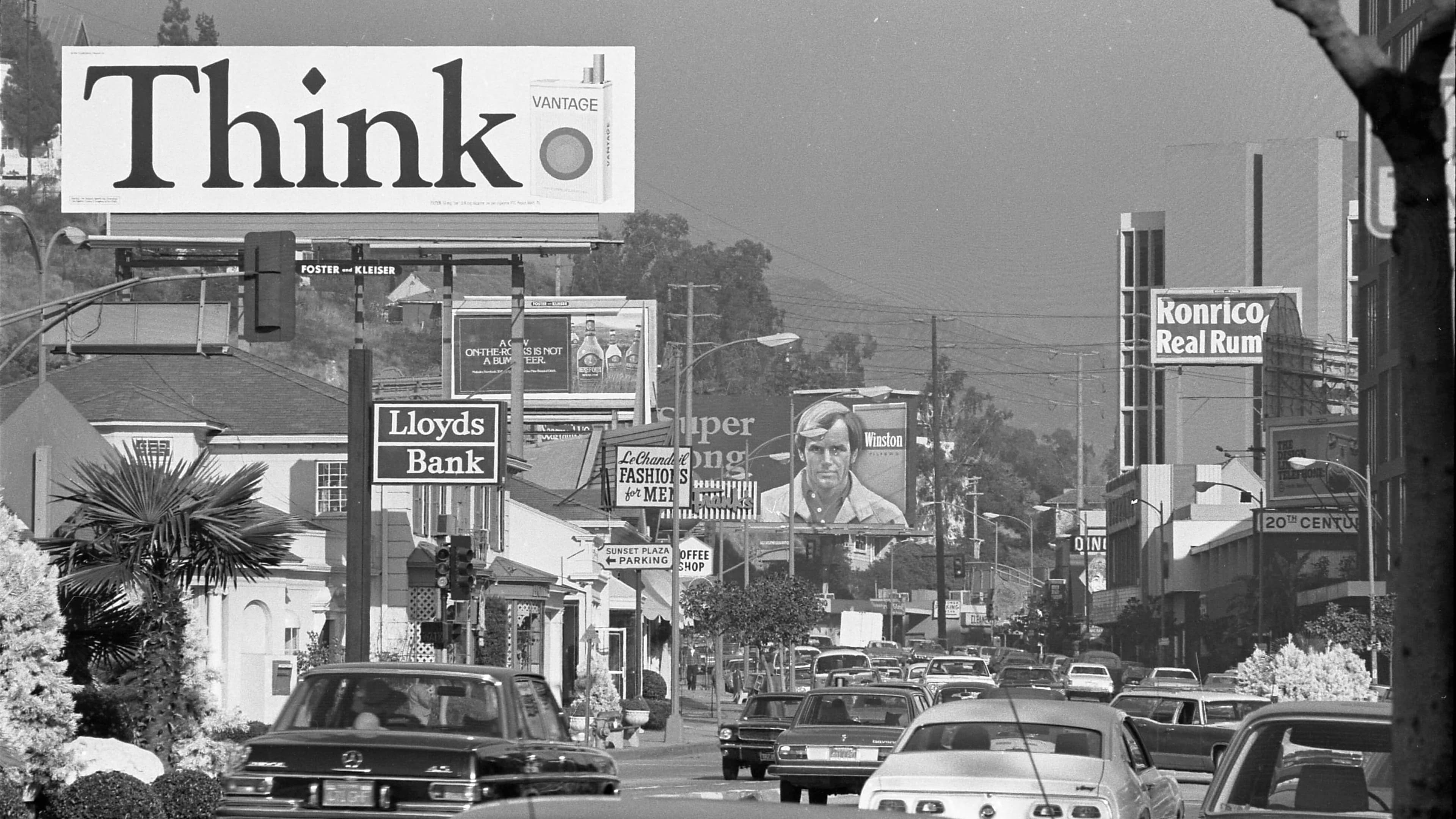
The late 1970s represent a watershed moment in popular music history. The era witnessed the simultaneous rise of punk rock, the continued dominance of classic rock titans, the emergence of disco culture, and the experimental soundscapes of prog rock. Los Angeles, as both a geographic and cultural epicenter, became ground zero for these competing musical philosophies and the personalities who championed them.
Director Vincent Young's directorial feature debut, 'Small Talk,' places this fertile creative landscape at its narrative center. The film captures not just the music of the period, but the interpersonal dynamics, ambitions, and conflicts that defined the era's rock community. By focusing on the smaller moments—the conversations, negotiations, and chance encounters that shaped careers—the project offers a ground-level perspective on how artistic movements actually develop.
The Cast Brings Contemporary Authenticity
The ensemble represents a deliberate mix of established television actors and emerging talent. Keegan Allen, known to millions for his role in the mystery-thriller series 'Pretty Little Liars,' brings substantial industry experience and audience recognition. His casting signals the production's commitment to casting actors with proven dramatic range rather than relying solely on period authenticity or newcomers.
Austin North, recognized from the Netflix series 'Outer Banks,' joins Allen in anchoring the ensemble. North's previous work in ensemble casts has demonstrated his ability to balance character work with ensemble dynamics—a crucial skill for an ensemble-driven period piece.
The supporting cast includes Rio Mangini from 'Wolf Pack,' Conor Husting, who has worked extensively in television, and Sophia Del Rio, expanding her film presence beyond her television appearances. This configuration suggests Young prioritized actors capable of inhabiting complex character development within a period setting.
Why '70s LA Rock Drama Matters Now
Period music dramas occupy a unique position in contemporary cinema. While biographical films about individual artists have found audiences, ensemble pieces examining entire scenes remain comparatively rare. Works like 'Dreamgirls,' 'Once Upon a Time in Hollywood,' and the limited series 'Daisy Jones & The Six' demonstrate sustained viewer interest in narratives exploring how artists, producers, and industry figures create cultural moments together.
The 1970s hold particular appeal for contemporary audiences. The decade marked the last era before the digital revolution fundamentally altered music distribution, discovery, and economics. By examining this pre-internet landscape, 'Small Talk' offers implicit commentary on how artistic communities function when physical presence, live performance, and word-of-mouth remain dominant forces.
Los Angeles during this period serves as more than backdrop. The city's music industry infrastructure—from recording studios in Hollywood to venues on the Sunset Strip to the business offices of major labels—functioned as the actual machinery converting artistic ambition into cultural impact. Understanding how this system operated provides context for comprehending modern music industry transformation.
Production and Creative Vision
The completion of principal photography represents a significant milestone for Young's debut feature. Bringing an ambitious period piece to completion requires coordinating extensive elements beyond typical contemporary storytelling—accurate production design, costuming, and practical effects that authentically represent the era without appearing artificially constructed.
Period dramas, particularly those centered on music industry narratives, demand particular attention to detail. Audiences familiar with the era notice inconsistencies in instrumentation, venue design, or cultural references. Simultaneously, younger viewers approaching the material for the first time need clarity in worldbuilding without exposition feeling forced. This balance represents one of the core creative challenges in Young's directorial approach.
The Los Angeles location shoot grounds the film in geographic authenticity. Filming in the actual city where the narrative takes place—rather than in more economically advantageous locations—suggests commitment to capturing the specific character of LA's geography and landscape during this period.
The Broader Context of Music Cinema
Music-focused films and television series have experienced renewed creative attention in recent years. The success of projects like 'Halston,' 'The Dirt,' 'Rocketman,' and 'Once Upon a Time in Hollywood' demonstrated consistent audience appetite for stories exploring the intersections between artistic creation, personal ambition, and industry dynamics.
What distinguishes ensemble music dramas from biographical approaches is their capacity to explore how artistic movements emerge from collective effort rather than individual genius. The late 1970s LA scene involved numerous musicians, producers, engineers, managers, and venue operators all contributing to a specific sound and aesthetic. 'Small Talk' appears positioned to explore these interdependencies.
The casting of television actors rather than film stars suggests the production embraces episodic narrative structures familiar to prestige television storytelling. This approach can allow for nuanced character development across an ensemble while maintaining audience engagement through interconnected storylines.
Why This Matters
Feature films directed by first-time filmmakers represent the lifeblood of cinema's creative renewal. Studios and streaming platforms increasingly invest in emerging directorial voices, particularly when projects demonstrate clear artistic vision and compelling source material. Young's successful navigation of a complex period ensemble drama on his debut positions him as a director to follow.
Moreover, the continued cultural interest in the 1970s—evident across music, fashion, and entertainment—reflects something deeper than nostalgia. The decade's relative distance from the present (now roughly fifty years) provides sufficient perspective to examine it historically while retaining living memory from those who experienced it. 'Small Talk' enters a fertile creative moment for 1970s storytelling.
Finally, music-centered narratives continue proving their ability to attract diverse audiences. Whether appealing to music historians, industry professionals, casual viewers seeking entertainment, or younger audiences discovering the era anew, projects examining how artistic communities function tap into fundamental human interest in creativity, ambition, and cultural transformation. Vincent Young's debut feature appears positioned to contribute meaningfully to this ongoing conversation.