
Established Talent Joins Ambitious Indie Horror Project
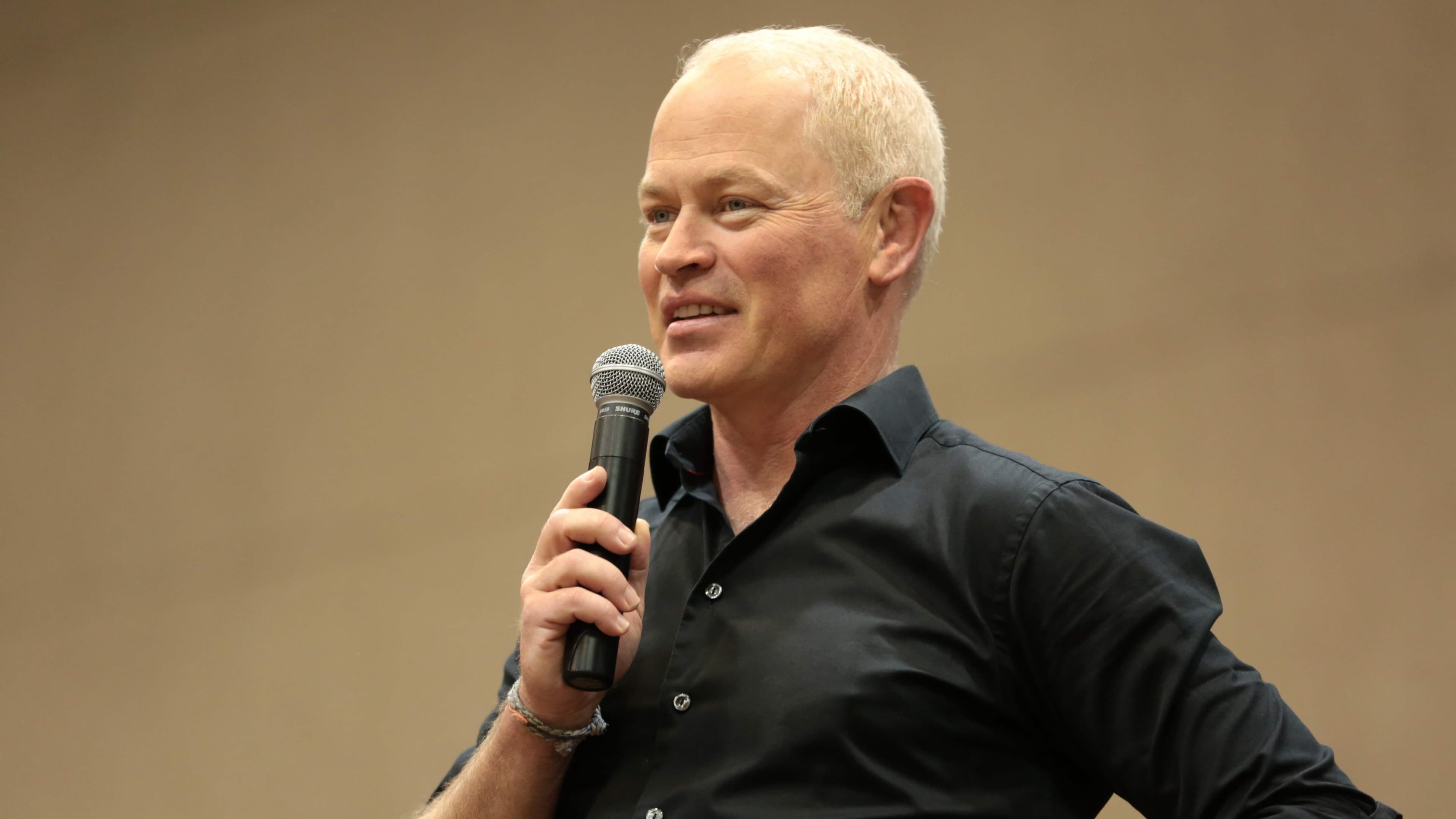
The independent film landscape continues to attract A-list television actors seeking more experimental and genre-driven storytelling opportunities. Neal McDonough, known for his recurring role in the Paramount+ series Tulsa King, and Skeet Ulrich, who recently appeared in Five Nights at Freddy's 2, have committed to star in Deify, a psychological horror film that promises to explore darker dimensions of human psychology and social influence.
This casting represents a notable trend in contemporary cinema: established performers gravitating toward indie productions that offer substantive character work and thematic depth. Both McDonough and Ulrich have built careers demonstrating range across dramatic, comedic, and genre-oriented projects, making them ideal fits for a psychological horror narrative that demands nuanced performances.
The Creative Vision Behind 'Deify'
Deify emerges from the creative partnership of filmmaker brothers Carmelo and Nicholas Chimera. Nicholas Chimera penned the screenplay, positioning the project as a deeply personal venture for the filmmaking duo. The brothers represent a growing segment of independent directors who combine family collaboration with stories examining complex social and psychological phenomena.
The film's premise—centered on a cult leader undergoing trial for the devastation wrought upon his followers—taps into a cultural fascination with understanding charismatic manipulation and psychological control. This thematic territory has proven fertile ground for compelling cinema, as audiences continue seeking explorations of how belief systems form, how authority becomes corrupted, and how individuals rationalize devotion to destructive ideologies.
Chicago as Cinematic Setting
Production is slated for Chicago, a city that has become increasingly attractive to independent filmmakers seeking authentic urban landscapes and established production support systems. Chicago's film tax incentives, diverse architectural backdrops, and experienced crew base have positioned it as a crucial hub for indie productions seeking to balance artistic ambition with practical production needs.
The choice of Chicago for a psychological horror film addressing cult dynamics carries thematic weight. The city's complex social geography and history provide natural context for stories examining group psychology, community structures, and the tension between individual identity and collective belonging.
Why This Matters
The Indie Horror Renaissance
Independent horror cinema has experienced remarkable creative and commercial vitality over the past decade. Films like Hereditary, The Lighthouse, and Lamb demonstrated that indie horror could achieve critical acclaim, audience engagement, and commercial viability without studio backing. The genre's flexibility—allowing for intimate character studies, experimental visual approaches, and challenging thematic content—makes it particularly appealing to independent filmmakers.
The involvement of established television actors in indie horror projects reflects a fundamental shift in how performers approach their careers. Rather than viewing indie films as stepping stones to major studio work, contemporary actors increasingly see independent productions as opportunities to engage with substantive material and collaborate with distinctive creative voices.
Psychological Horror's Cultural Relevance
Psychological horror occupies a unique position in contemporary cinema. Unlike supernatural or slasher-oriented horror, psychological horror forces audiences to confront unsettling truths about human behavior, group dynamics, and the fragility of rationality. Stories examining cult psychology tap into genuine contemporary concerns about misinformation, charismatic leadership, and the human vulnerability to manipulation.
This thematic territory remains culturally resonant because real-world events continue validating the psychological mechanisms that cult psychology explores. The proliferation of online communities, echo chambers, and algorithmic amplification of extreme content has renewed urgent interest in understanding how belief systems form and persist despite contradictory evidence.
Brother Filmmakers and Collaborative Vision
The Chimera brothers represent an emerging model of filmmaking partnerships where familial relationships intertwine with creative collaboration. This approach has produced notable recent films and demonstrates that shared history and mutual understanding can strengthen creative partnerships. Family-based creative teams often bring distinctive perspectives shaped by shared cultural backgrounds and personal histories.
The Broader Context of Horror Cinema
Horror cinema consistently serves as a laboratory for exploring contemporary anxieties and social tensions. The genre's relative affordability compared to action or science fiction films enables more directors to access the medium, resulting in diverse voices and perspectives entering horror storytelling.
Psychological horror specifically allows filmmakers to examine internal landscapes—the fears, compulsions, and belief systems operating within individual consciousness. This internalized focus contrasts with spectacle-driven horror, offering opportunities for more character-focused narratives and performances that demand subtlety and psychological complexity.
Moving Forward
As Deify moves into production, the project represents several meaningful intersections in contemporary filmmaking: the convergence of established television talent with ambitious independent cinema, the continued cultural relevance of psychological horror narratives, and the viability of Chicago as a meaningful production hub.
The film's focus on a cult leader facing accountability for his influence speaks to broader cultural conversations about power, responsibility, and the mechanisms through which individuals justify allegiance to destructive systems. These conversations show no signs of diminishing in cultural relevance, suggesting that Deify will enter a marketplace receptive to thoughtful exploration of these themes.
For independent filmmakers and actors alike, projects like Deify demonstrate that meaningful cinema can emerge from collaborative relationships between emerging and established creative voices. The commitment of respected performers to independent projects validates the continued importance of smaller-scale productions in maintaining diverse, challenging, and culturally relevant storytelling in an industry increasingly dominated by franchise filmmaking and algorithmic content recommendations.