
The World's Most Powerful Fan Convention Returns
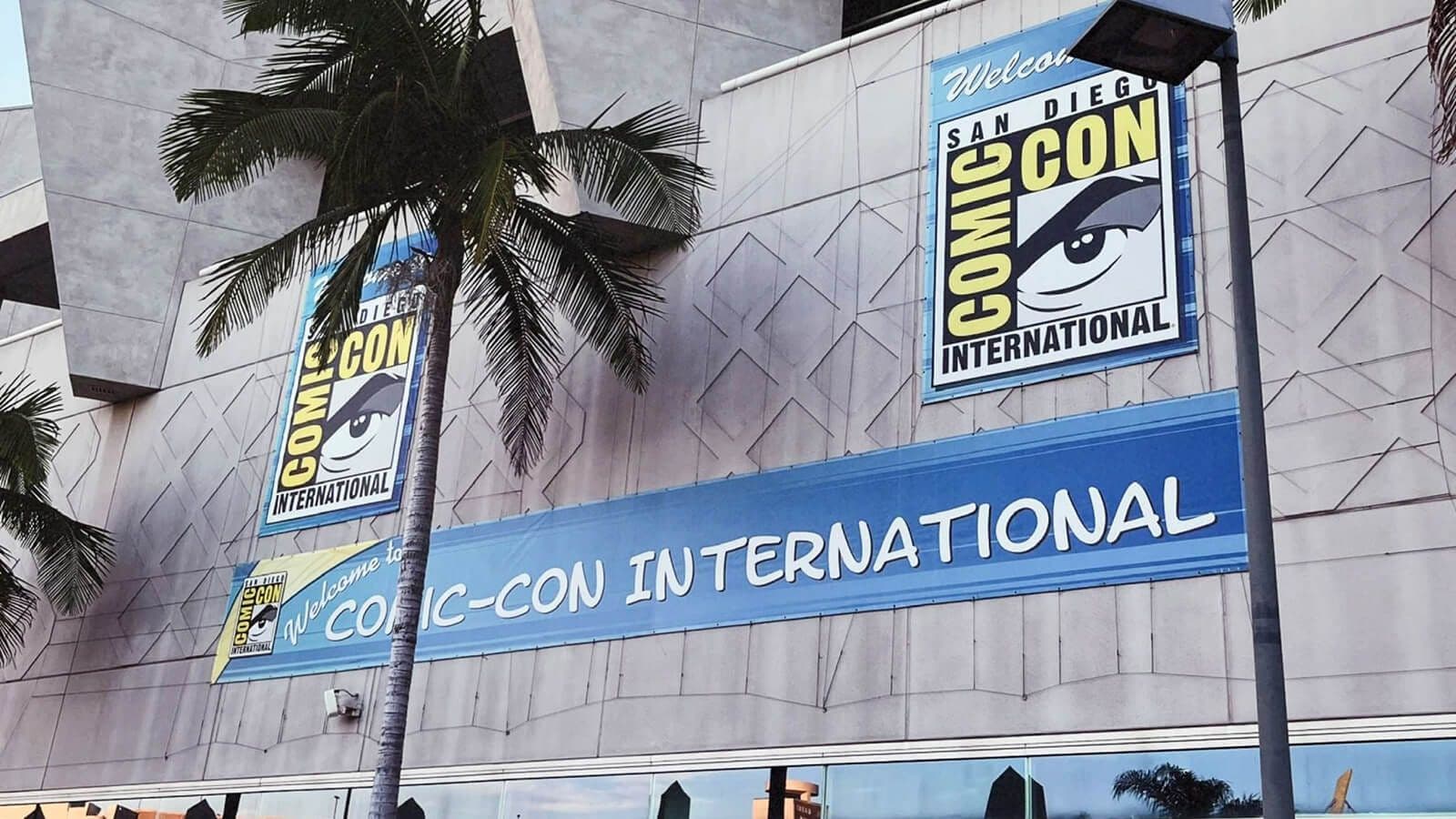
San Diego Comic-Con is not simply a fan gathering — it is the entertainment industry's most strategically important annual event. Since its founding in 1970, SDCC has evolved from a modest comics convention into a global media spectacle where studios, streaming platforms, and showrunners compete for cultural attention on one of the most coveted stages in the business. By 2026, that stage has grown considerably larger.
Comic-Con 2026 marks another chapter in the convention's ongoing territorial expansion, with major entertainment brands pushing well beyond the walls of the San Diego Convention Center and into the heart of downtown San Diego itself. This city-as-canvas approach — turning streets, plazas, and public spaces into branded fan experiences — reflects a broader industry shift in how studios think about fan engagement at scale.
Hall H: Still the Most Valuable Real Estate in Entertainment
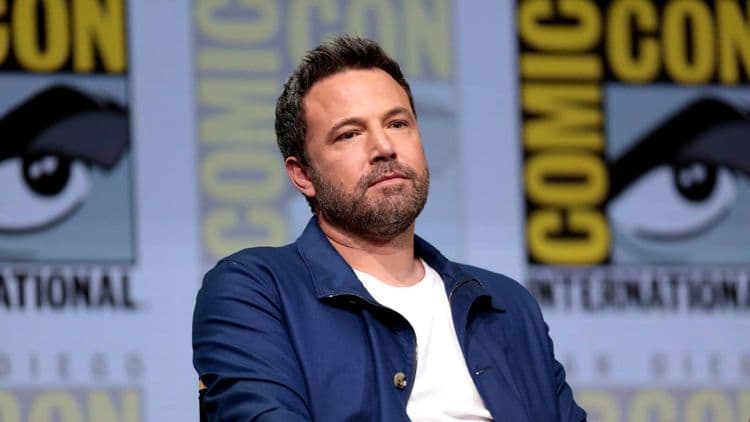
If there is one room that commands more collective anticipation than any other in Hollywood's promotional calendar, it is Hall H. With a capacity of approximately 6,500 seats, the massive auditorium at the San Diego Convention Center has been the site of some of modern pop culture's most memorable moments — from the first Iron Man-era Marvel Universe teasers to game-changing franchise reveals that sent the internet into overdrive within minutes.
At Comic-Con 2026, Marvel Studios once again claimed the Hall H spotlight with what is being described as one of the convention's most eagerly awaited presentations. Marvel's relationship with Hall H is deeply embedded in the history of both the studio and the convention itself — the two entities have become almost synonymous in the fan consciousness. A Marvel Hall H panel is no longer just a marketing exercise; it is a cultural moment, live-streamed, dissected, and debated across every corner of the internet within hours of its conclusion.
The weight Marvel carries into that room each year is a testament to how successfully the studio has cultivated its fanbase over more than 15 years of interconnected storytelling. In the post-Endgame landscape, each Hall H appearance carries the additional pressure of charting a coherent creative future — and Comic-Con 2026 was no exception.
Beyond Marvel: A Diverse Slate of Major Panels
While Marvel commands the headlines, Comic-Con 2026 demonstrated once again that the convention's panel ecosystem is remarkably deep. Apple TV+ brought a significant presence to the proceedings, reflecting the streaming platform's growing investment in genre storytelling and fan-facing promotional strategies. Apple's willingness to compete at Comic-Con — a space historically dominated by legacy studios — underscores how seriously the tech giant now takes its entertainment division.
Star Trek: Strange New Worlds continued its streak as one of the convention's most beloved panel destinations. The Paramount+ series, which premiered in 2022, has become a fan favorite precisely because of the creative team's genuine engagement with the Star Trek community — a relationship that feels particularly natural in the Comic-Con environment, where the franchise has maintained a presence for decades.
Reacher, Amazon Prime Video's action franchise starring Alan Ritchson, also featured prominently in the panel schedule. Based on Lee Child's bestselling novel series, Reacher has become one of streaming's most reliable crowd-pleasers, and the show's Comic-Con presence reflects its status as a major tentpole property for the platform.
The Activation Economy: Brands Take Over Downtown San Diego
Perhaps the most visually striking dimension of modern Comic-Con is the activation landscape that now surrounds the convention center. Entertainment brands have invested heavily in transforming San Diego's downtown into a kind of open-air theme park during SDCC week, creating immersive experiences that are free to the public and designed to generate social media content at scale.
This strategy has become increasingly sophisticated over the past decade. According to industry analysts, experiential marketing at major fan conventions has grown into a multi-million dollar discipline, with brands competing not just for foot traffic but for shareable moments — the kind of organic content that extends a property's reach far beyond the convention's physical attendees.
For Comic-Con 2026, activations ranged from elaborate set recreations and interactive installations to exclusive merchandise drops and fan photo opportunities. The goal is always the same: create a memory, generate a post, earn a click. In an era of fragmented media attention, the convention floor and surrounding streets offer something increasingly rare — a captive, deeply passionate audience.
Cosplay as Cultural Currency
No coverage of Comic-Con is complete without acknowledging the phenomenon that is convention cosplay. What began as a niche hobby practiced by a small community of dedicated fans has become one of the most photographed and socially amplified dimensions of the event. Comic-Con cosplay is now itself a form of entertainment journalism — convention photographers and fan accounts document the craft with the same seriousness that red carpet photographers bring to awards season.
At Comic-Con 2026, the cosplay community once again showcased extraordinary creativity, with attendees representing properties spanning decades of film, television, animation, and comics history. The convention floor becomes, in this sense, a living museum of pop culture — one that changes hour by hour as thousands of costumed fans move through the space.
Why This Matters: Comic-Con's Enduring Industry Role
In an era when virtually every entertainment announcement can be made instantly via social media, the question worth asking is: why does Comic-Con still matter so much? The answer lies in something platforms cannot replicate — physical community.
Comic-Con provides studios and streaming platforms with something increasingly scarce: a room full of people who care deeply, simultaneously, in the same place. That shared energy is not just emotionally valuable — it is commercially strategic. A positive Hall H reaction can shift trade press narratives, boost social trending, and influence how a project is perceived heading into its release window.
Founded over 50 years ago, San Diego Comic-Con has survived the digital revolution not by resisting it, but by becoming the event that the internet talks about. Its panels trend globally. Its announcements drive news cycles. Its cosplay fills social feeds. In that sense, SDCC is not competing with the internet — it is one of the internet's most reliable content engines.
For the entertainment industry, there is no substitute. And for fans, there is no better place to feel the pulse of the stories shaping popular culture.