

The Intersection of Stardom and Performance Anxiety
Live performance in the entertainment industry represents one of the most unpredictable variables in an artist's career. Unlike recorded music or film acting, where directors can request multiple takes and editors can refine the final product, live performance exists in real time—mistakes broadcast to audiences worldwide with no opportunity for correction. This reality creates a unique pressure that even experienced performers must continually navigate.
The British Academy Film and Television Awards (BAFTAs) stand as one of the most prestigious award ceremonies in the entertainment world, drawing major celebrities, industry executives, and media attention. For musical performers selected to perform at this event, the opportunity represents significant career visibility but also considerable performance pressure. The combination of live television broadcast, a room filled with entertainment industry figures, and the knowledge that millions are watching creates an environment where even minor distractions can impact execution.
When the Audience Becomes Part of the Performance
One of the less-discussed aspects of live performance is the reality that performers are acutely aware of their audience members—particularly recognizable faces in the crowd. While years of training condition vocalists to focus on their technique and music, the human brain remains inherently reactive to significant stimuli in the visual field.
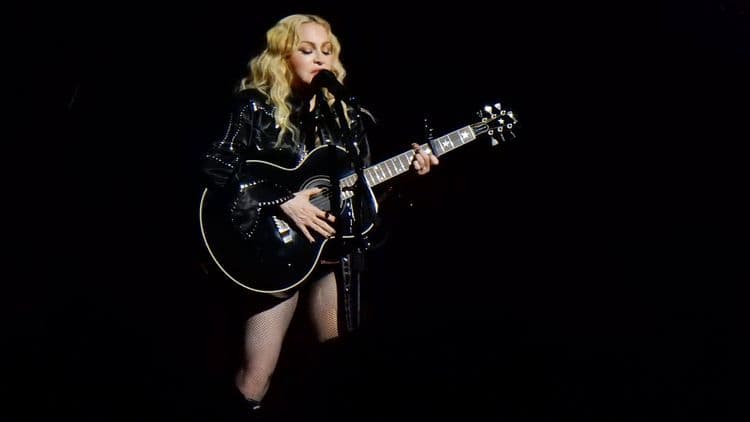
A recent account from a performer at the BAFTA Awards illustrates this challenge. The vocalist acknowledged that unexpected moments during the performance—specifically, noticing a prominent audience member—disrupted her concentration in measurable ways. She reported experiencing vocal cracking on higher notes, a technical issue directly connected to tension and loss of focus. The performer's candid reflection suggests that even at professional levels, the psychology of live performance can override technical preparation.
This phenomenon isn't unique to music performance. Actors have long discussed how the presence of certain individuals in audiences affects their stage presence. Athletes describe similar experiences where awareness of spectators impacts performance quality. The scientific explanation relates to how the nervous system responds to perceived social evaluation—a deeply ingrained human response that rehearsal can mitigate but rarely eliminate entirely.
The Science Behind Performance Disruption
Vocal performance depends on precise muscular control and proper breathing technique. When anxiety or distraction occurs, the body's stress response activates the sympathetic nervous system—commonly called the "fight or flight" response. This causes muscles to tense, breathing to become shallow, and vocal cords to constrict. The resulting technical issues include pitch inconsistency, vocal cracking, and reduced vocal control on demanding ranges.
Performance psychologists have studied these phenomena extensively. Research indicates that awareness of negative evaluation from the audience can significantly impact execution quality, particularly in technical performances like singing. The more cognitively demanding the task, the more vulnerable the performer becomes to performance anxiety. High notes in particular require sustained vocal cord tension and precise airflow management—exactly the elements most affected by stress-induced muscle tightening.
Industry Standards for Managing Stage Pressure
Professional performers employ various strategies to minimize the impact of distractions. Mental preparation techniques, including visualization and mindfulness practices, help performers maintain focus on the task rather than the audience. Many vocalists report using specific focal points on stage—a light, a spot on the curtain, or a bandmate—to anchor their attention away from the crowd.
Technical preparation also matters significantly. Extensive rehearsal, including full dress rehearsals at the actual venue, allows performers to build confidence in their technical abilities. Some performers work with vocal coaches on specialized techniques for managing anxiety-induced tension. Others employ physical grounding techniques in the moments before performance to activate the parasympathetic nervous system and counteract stress responses.
The BAFTA Awards themselves typically provide performers with limited technical rehearsal time and a brief stage setup—conditions that can intensify pressure compared to concert settings where artists have greater control over their environment.
Why This Matters
The conversation around performer experiences at high-profile events serves an important function beyond entertainment gossip. It acknowledges the genuine psychological and physical challenges of live performance, particularly under the magnified pressure of televised award ceremonies. This context humanizes performers and challenges the expectation that professional expertise should completely override human reactions to stressful situations.
For emerging artists aiming toward headline performances at major events, understanding that even accomplished performers experience disruption from distractions provides both reassurance and important learning opportunities. It validates the genuine challenge of live performance and suggests that developing psychological resilience deserves as much attention as technical vocal training.
Furthermore, the conversation contributes to broader discussions within the entertainment industry about performer wellness. Award shows and televised performances remain central to an artist's career trajectory, yet the psychological demands of these situations receive relatively little formal attention compared to the technical and logistical preparation.
Looking Forward
As the entertainment industry continues evolving, discussions about performer experience and wellbeing gain prominence. Major award shows have increasingly implemented performer support systems, from dedicated dressing rooms to mental health professionals on-site. However, the unpredictability of live performance—including unexpected audience responses and distractions—remains an inherent challenge that each performer must learn to navigate individually.
The transparency that artists demonstrate when discussing their performance challenges serves the broader entertainment community by normalizing these experiences and encouraging more comprehensive preparation strategies. Each performer's experience contributes to collective industry understanding about what supports optimal performance delivery in high-stakes live settings.