

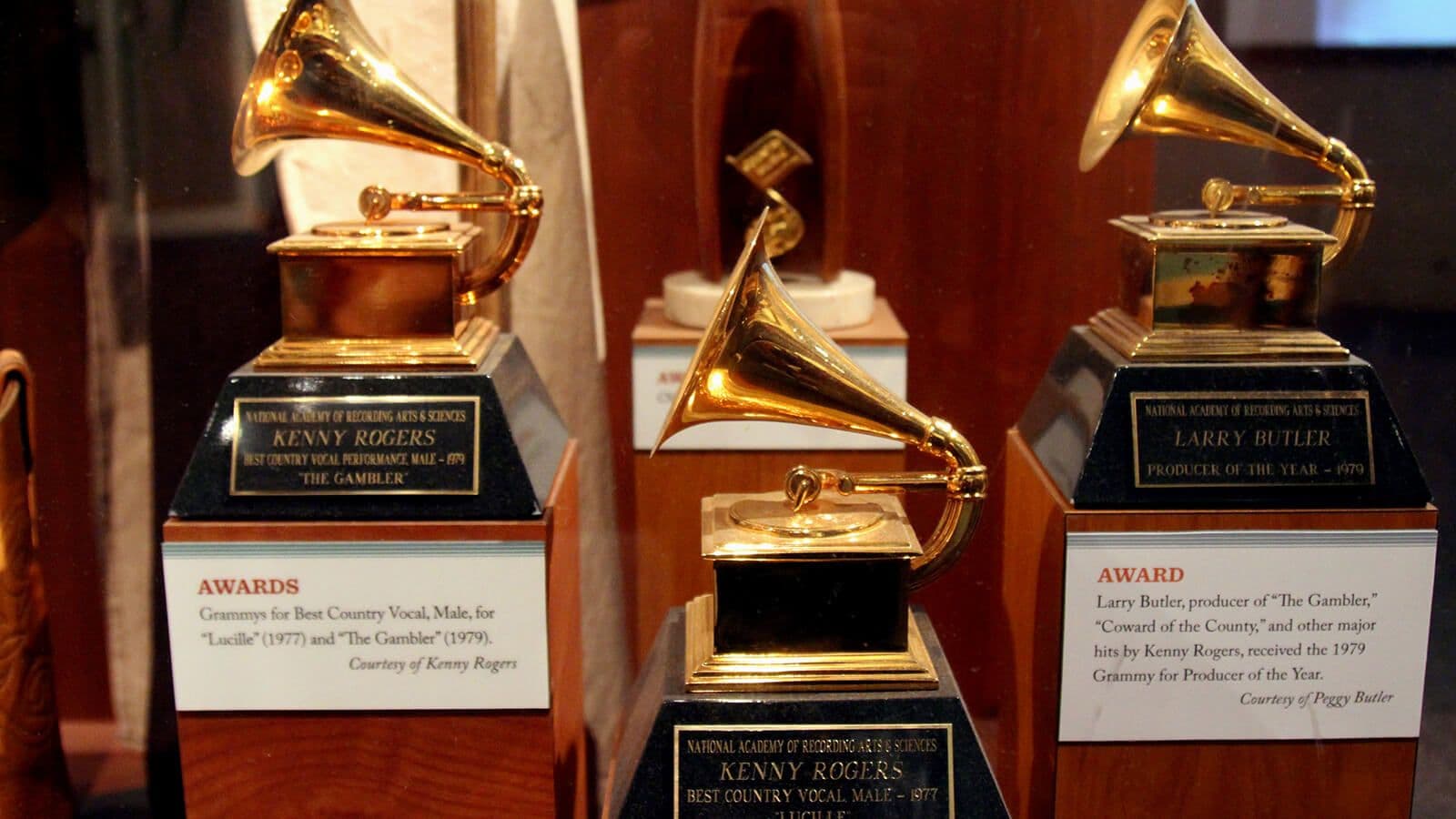
The Recording Academy is preparing one of the most significant overhauls in Grammy history ahead of the 69th Annual Grammy Awards, set to air on February 7, 2027. The update includes the introduction of five brand-new award categories, expanded eligibility rules for Best New Artist, and major adjustments to album qualification standards.
With these changes, the total number of Grammy categories will rise to 100, marking a return to a century-level scale not seen since the early 2010s.
A Major Expansion: Grammys Reach 100 Categories Again
After years of restructuring and category consolidation, the Grammys are once again expanding their scope. The number of award categories will jump from the current structure to 100 total awards.
This expansion reflects the Academy’s effort to better represent the global diversity of modern music, particularly as genre boundaries continue to blur and international markets play a larger role in shaping mainstream hits.
Five New Grammy Categories Introduced
The 2027 update introduces five new competitive categories, each designed to reflect emerging global trends and underserved creative communities.
1. Best Asian Pop Music Performance
This new category highlights the global rise of Asian pop culture, including K-pop, J-pop, and C-pop. It recognizes performances that meaningfully incorporate Asian languages and reflect the stylistic identity of modern Asian pop music.
The move acknowledges the genre’s strong global influence and its growing commercial dominance across streaming platforms and international charts.
2. Best Latin Song
This award focuses on songwriting excellence in Latin music, particularly songs primarily written in Spanish (at least 51% of lyrics). It expands recognition for Latin songwriters across genres such as Latin pop, urbano, tropical, and regional Mexican styles.
Importantly, the award honors songwriters—not performers—highlighting the creative force behind Latin music’s global success.
3. Best R&B Collaboration or Duo/Group Performance
This category separates collaborative R&B performances from solo work, giving equal spotlight to duos, groups, and cross-artist collaborations.
It reflects how modern R&B increasingly blends voices across artists, often merging hip-hop, electronic, and pop influences.
4. Best Traditional Pop Vocal Performance
This category recognizes vocal performances rooted in classic pop traditions, including interpretations of standards, musical theater pieces, and Great American Songbook-style material.
It creates a dedicated space for traditional vocal artistry that often didn’t fit neatly into modern pop categories.
5. Best Traditional Folk Album
The Grammys are restoring a split between traditional and contemporary folk music. This category honors albums rooted in classic folk traditions such as protest songs, ballads, and acoustic storytelling styles.
It reintroduces a distinction that existed before the 2012 category consolidation.
Best New Artist Rule Change: Extra Chance for Breakthroughs
One of the most debated updates involves the Best New Artist category.
Previously, artists were disqualified after being entered three times. Under the new rule, that limit increases to four submissions, giving developing artists a longer runway before they become ineligible.
This change reflects the reality of today’s music industry, where many artists take years to achieve mainstream recognition despite releasing multiple projects early in their careers.
Several artists who would have been previously disqualified—such as Ella Langley, Megan Moroney, Ken Carson, and Ravyn Lenae—now remain eligible under the revised system.
Album Eligibility Rules Relaxed
Another major adjustment affects how albums qualify for Grammy consideration.
The Academy is lowering the required percentage of “new recordings” on an eligible album from 75% to 66%.
This change acknowledges that modern albums often include remixes, live versions, or previously released singles as part of a larger project. The goal is to reduce exclusions of albums widely accepted as “new releases” within the industry.
Voting System Reform: “Ballot Plus”
The Grammys are also introducing a new optional voting structure called “Ballot Plus.”
This system allows eligible voting members with verified industry experience to vote in up to 15 categories instead of the standard 10, expanding participation for professionals who work across multiple genres.
The Academy says the update is designed to better reflect how modern music creators frequently collaborate across genres and roles.
More Recognition for Songwriters and Creators
Songwriters are receiving expanded recognition across multiple categories. Under the new rules, writers of songs on winning albums will receive Grammy statuettes and official achievement certificates—matching recognition previously reserved mainly for producers and engineers.
This shift further elevates songwriting as a central creative force in recorded music.
Digital-Only Music Gets More Inclusion
In another modernization move, internet-only releases will now be eligible for categories such as Best Album Notes and Best Historical Album, provided the accompanying materials are included in the digital release.
This ensures that albums without physical distribution are not excluded from recognition.
Why These Changes Matter
Taken together, these updates reflect a clear direction: the Grammys are adapting to a music industry that is more global, more digital, and more genre-fluid than ever before.
From K-pop’s global dominance to the evolving definition of an “album,” the 2027 changes aim to make the awards more inclusive while still maintaining category integrity.
Bottom Line
The 2027 Grammy Awards represent one of the most ambitious restructurings in the event’s modern history. With five new categories, expanded eligibility rules, and a broader voting system, the Recording Academy is signaling a strong shift toward global representation and industry modernization.
For artists, songwriters, and fans alike, the next Grammy cycle could look very different—and far more expansive—than anything seen before.