
From Disney Star to Arena Headliner: Hilary Duff's Touring Evolution
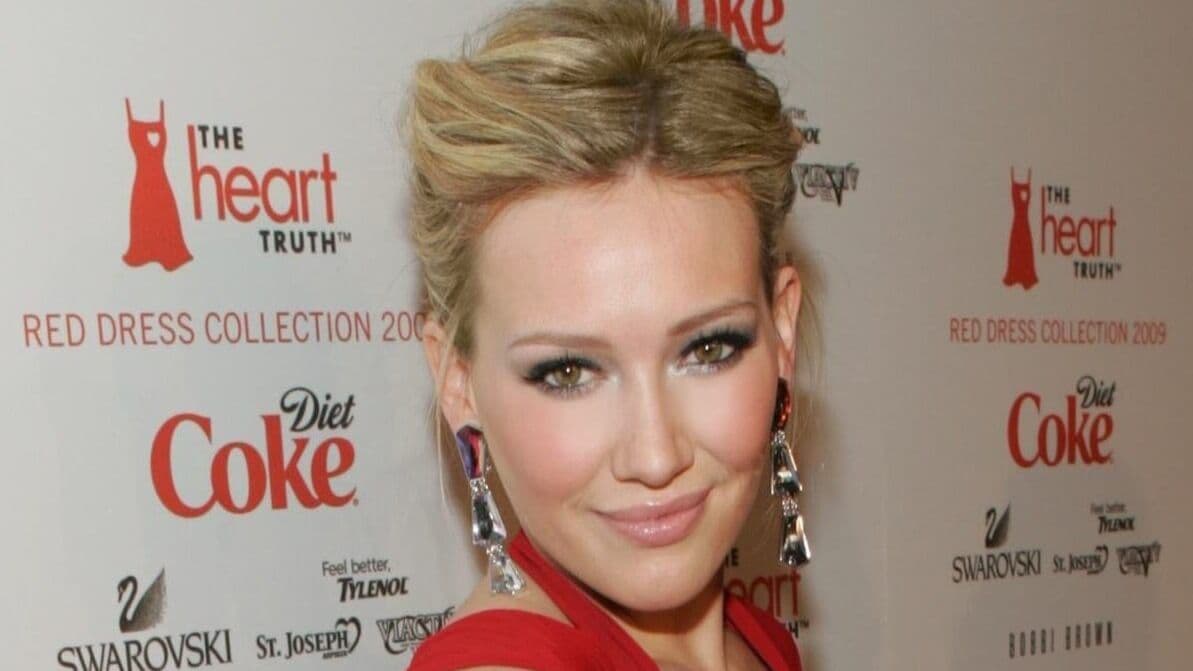
The Madison Square Garden stage represents more than a venue booking—it symbolizes a performer's arrival at a particular tier of the entertainment industry. When Hilary Duff took the stage at the iconic New York arena, she stood at an intersection of nostalgia and current relevance that few artists from her generation have maintained. Her Lucky Me world tour demonstrates how former child stars can successfully navigate the complex transition into adult-oriented touring without sacrificing their core audience or credibility.
Duff's career trajectory provides a compelling case study in entertainment longevity. Beginning as a child actress on the Disney Channel series "Lizzie McGuire" in the early 2000s, she expanded into music, film, and eventually television production. Over two decades later, her ability to command sold-out performances at premier venues reflects both her original fanbase's loyalty and her success in attracting new audiences through her recent television work.
The Significance of Multiple "Home" Shows on a Single Tour
During performances across the Lucky Me tour, Duff emphasized the emotional weight of playing what she considers "home" cities—Houston, her birthplace; Los Angeles, her current residence; and New York, where she addressed the crowd. This touring approach reflects a deliberate strategy employed by established artists who maintain deep connections to multiple geographic regions.
The concept of multiple "home" shows on a single tour tour reveals how modern artists construct their touring narratives. Rather than treating dates as interchangeable stops on a circuit, performers increasingly emphasize the personal significance of performing in cities where they've lived, worked, or built meaningful relationships. This approach creates distinct emotional contexts for each performance and provides marketing opportunities tailored to local audiences.
From a production standpoint, arena tours of this scale require substantial infrastructure. Madison Square Garden, which opened in its current iteration in 1968, hosts approximately 20,000 attendees for concert performances. Achieving sold-out status at such a venue requires significant promotional coordination, ticket allocation strategy, and artist demand metrics that extend beyond traditional radio or streaming popularity.
Why This Matters: The Economics and Cultural Impact of Mid-Career Tours
The successful execution of a world tour by a performer in Duff's career stage carries implications for the broader entertainment industry. According to industry analysts tracking concert revenue trends, arena tours remain a primary income driver for recording artists, often surpassing streaming revenue for established performers. The touring economy supports not only performers but also production crews, venue staff, hospitality workers, and local economies in tour cities.
Duff's touring success also reflects broader patterns in how audiences consume entertainment. The nostalgia factor drives significant concert ticket sales, particularly for artists who defined cultural moments through television or film during the 1990s and 2000s. However, her continued relevance in contemporary television—including work in the Disney+ revival of "Lizzie McGuire"—demonstrates that her appeal extends beyond purely nostalgic consumption.
The arena tour model remains fundamentally different from festival appearances or smaller venue performances. Artists performing 20,000-seat venues must curate extended setlists, invest in substantial stage production, and manage fan expectations around hit songs, deep cuts, and production elements like lighting, choreography, and technical effects. The investment required for such tours reflects confidence in both the artist's draw and the market demand.
Career Continuity in Fragmented Media Landscape
What distinguishes Duff's touring narrative from many of her contemporaries is her parallel success in television production. Beyond performing, she's worked as a creator and producer on projects for streaming platforms, demonstrating creative agency beyond performance. This dual track—touring while developing production work—represents a strategy more common among established performers seeking diversified income and creative control.
The Lucky Me tour itself represents a deliberate branding choice. Album titles and tour names function as artistic statements and marketing touchstones. By selecting this particular tour name, Duff frames her current career chapter around gratitude and reflection, messaging that resonates with audiences who've followed her career across multiple decades and platforms.
Looking Forward: Sustainability in the Concert Industry
As touring becomes increasingly central to artist revenue models, the logistics and environmental considerations of world tours receive growing scrutiny. Large-scale arena tours require significant transportation, energy consumption, and resource allocation. Artists and promoters increasingly address sustainability concerns through various initiatives, though comprehensive industry standards remain in development.
The success of tours like Lucky Me Me also reflects post-pandemic consumer behavior patterns. Following extended concert industry disruption, audiences demonstrated renewed enthusiasm for live performance experiences, supporting strong advance ticket sales and sold-out dates across multiple markets. This trend has influenced how promoters allocate tour dates and how artists prioritize certain markets.
Hilary Duff's Madison Square Garden performance ultimately represents a convergence of personal achievement, professional strategy, and cultural nostalgia. It demonstrates how performers from the early internet era continue evolving their careers, maintaining relevance through multiple entertainment mediums while leveraging the touring infrastructure that remains fundamental to music industry economics. Her ability to sell out premier venues reflects both the enduring appeal of her original work and her successful adaptation to changing entertainment consumption patterns across three decades of public visibility.