
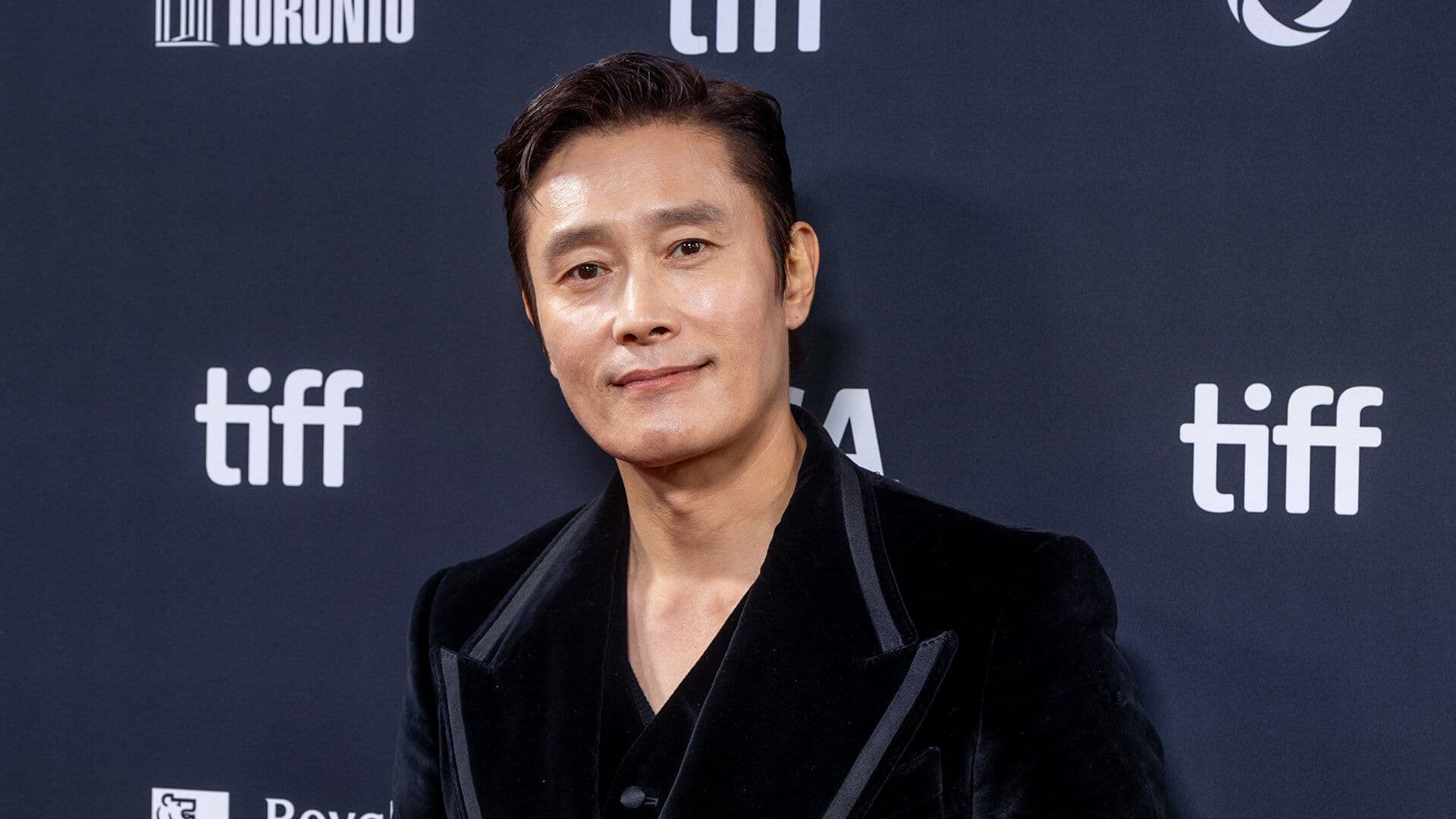
Lee Byung-hun is no stranger to reinvention. After conquering Hollywood, dominating Netflix, and lending his voice to one of the most unexpected global hits in recent years, the South Korean superstar is now making a bold artistic pivot — and it may be the most defining move of his career.
While global audiences still associate him with chilling villains and larger-than-life roles, Lee’s latest project proves he’s far more interested in challenging expectations than repeating past successes.
A Global Star Who Refused to Stand Still
Long before Squid Game turned him into an international icon, Lee Byung-hun had already built a formidable résumé. He appeared in major Hollywood franchises, stood on the Oscars stage as a presenter, and became one of Korea’s most respected actors.
But 2021 marked a turning point. His portrayal of the enigmatic Front Man in Squid Game introduced him to millions of viewers worldwide. The role was cold, controlled, and unforgettable — yet it was only one dimension of his range.
Rather than capitalizing on fame with predictable blockbuster offers, Lee chose a different path.
A Darkly Comic Role That’s Turning Heads
Lee’s newest film, No Other Choice, places him at the center of awards-season conversations — not because of spectacle, but because of nuance. Directed by acclaimed filmmaker Park Chan-wook, the film strips away glamour and dives deep into social anxiety, masculinity, and moral collapse.
Lee plays Yoo Man-su, an ordinary corporate employee whose life unravels after losing his job. What begins as quiet desperation gradually spirals into something far darker — and strangely humorous. The performance blends absurdity with tragedy, turning a familiar midlife crisis into a haunting character study.
This is not a heroic role, nor a conventional villain. It’s a deeply human one — uncomfortable, unsettling, and unforgettable.
Why This Film Feels So Timely
At its core, No Other Choice reflects modern fears: job insecurity, social pressure, fragile masculinity, and the emotional cost of maintaining appearances. The film uses satire and surreal humor to explore how societal expectations can push ordinary people toward irreversible choices.
Rather than offering simple moral judgments, it leaves audiences questioning who truly pays the price when ambition collapses.
Critics have praised the film for tackling serious themes without losing its dark wit — a balance that few actors could pull off as convincingly as Lee Byung-hun.
From Demons to Desperation: A Career of Extremes
Interestingly, Lee’s recent work couldn’t be more diverse. Alongside this bleak indie drama, he recently voiced the king of demons in the animated hit KPop Demon Hunters — a project that unexpectedly exploded in popularity across age groups and continents.
That contrast speaks volumes about his career philosophy: mainstream or niche, live-action or animation, villain or victim — Lee gravitates toward projects that feel creatively meaningful rather than commercially safe.
Life After Squid Game
Although Squid Game opened countless doors, Lee has been selective about what comes next. Despite ongoing interest from international studios, he has shown little desire to chase roles purely for global visibility.
Instead, he appears focused on characters that allow emotional depth and complexity — even if that means working on smaller, riskier projects closer to home.
In many ways, No Other Choice feels like a statement: fame doesn’t define his ambition; storytelling does.
A Shift in Global Entertainment
Lee Byung-hun’s journey mirrors a larger transformation in the entertainment industry. Streaming platforms have erased borders, allowing local stories to reach global audiences without losing cultural identity.
His success demonstrates that powerful narratives no longer need Hollywood validation — a well-told story can resonate anywhere.
Why This Moment Matters
With No Other Choice arriving in UK cinemas on January 23, Lee Byung-hun stands at a fascinating crossroads: a globally recognized star choosing introspection over spectacle.
And that choice may ultimately define his legacy far more than any franchise ever could.